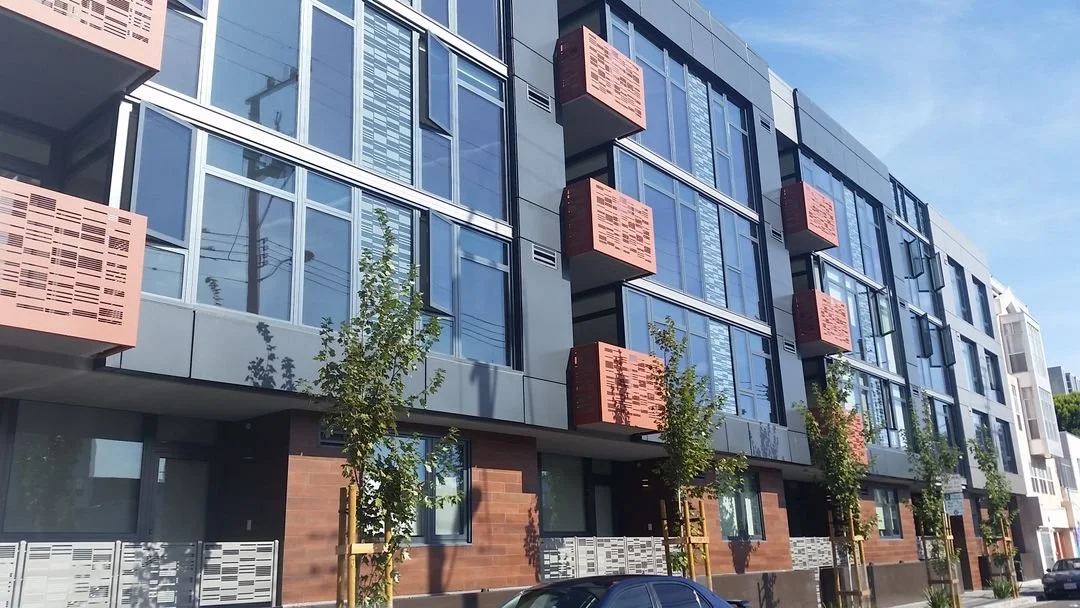


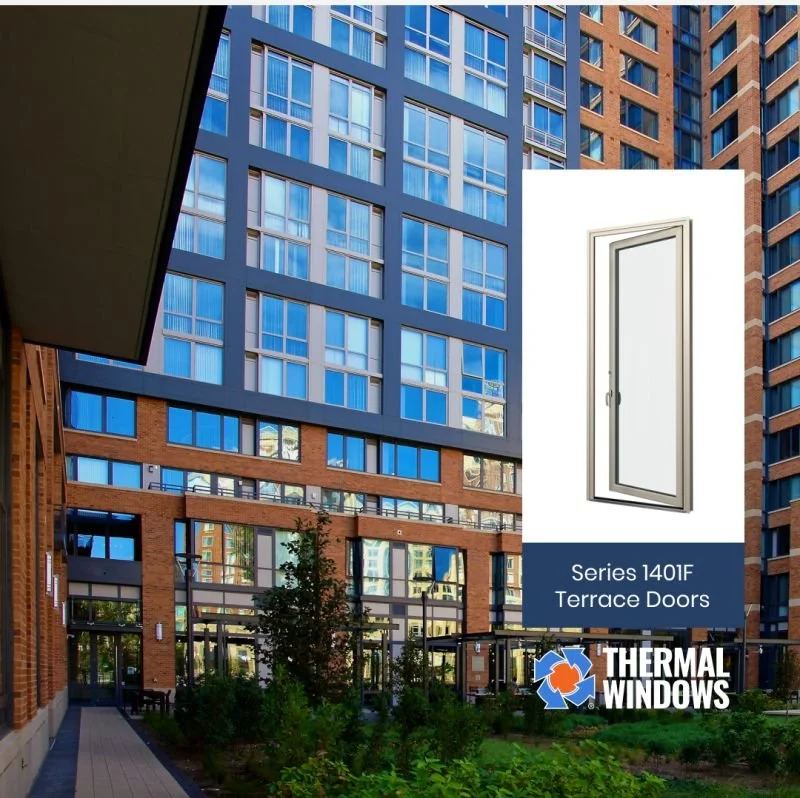
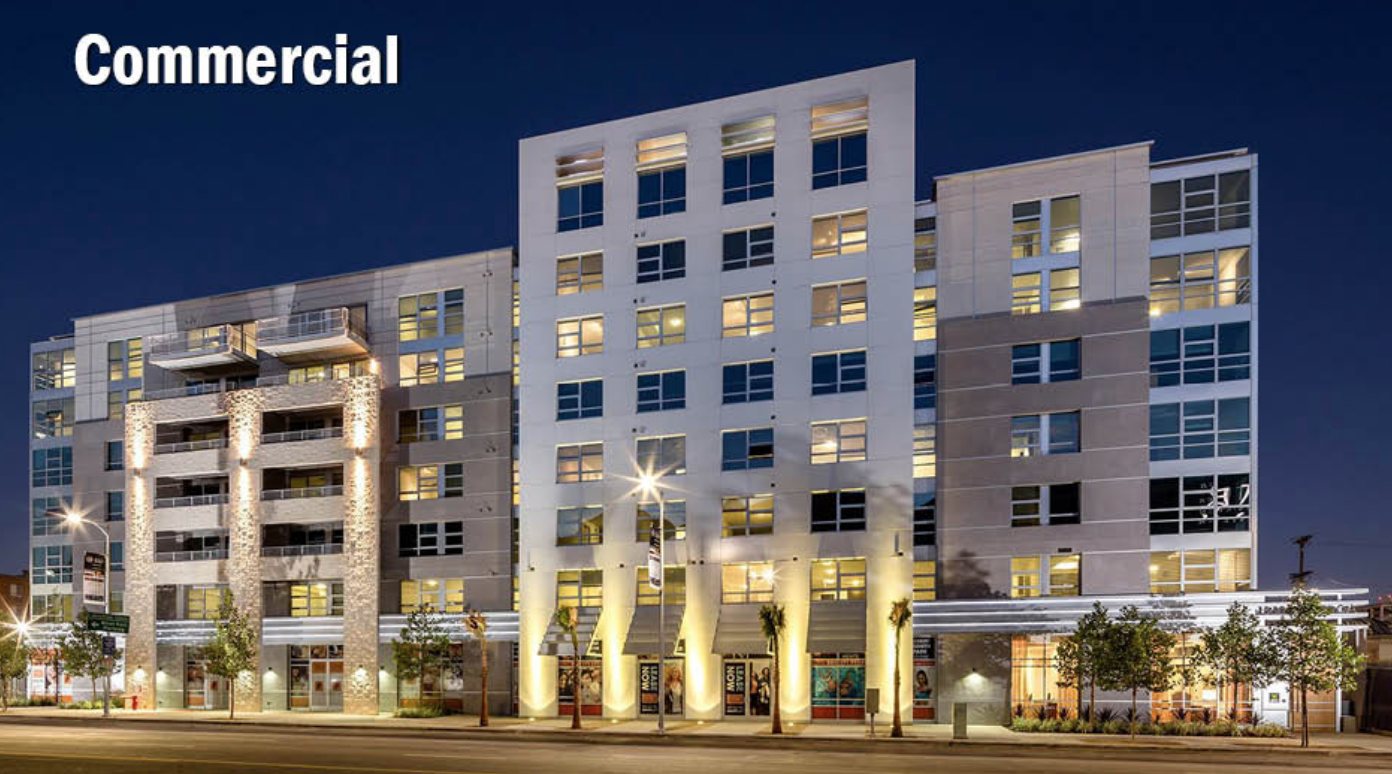
Founded in 1979, Thermal Windows manufacturers AAMA-rated commercial energy-efficient aluminum and vinyl windows, sliding glass doors and terrace doors. An American company dedicated to providing the highest quality products and service as an industry leader known for value, integrity and performance.
Thermal Windows operates sales and manufacturing from headquarters in Tulsa, Oklahoma.
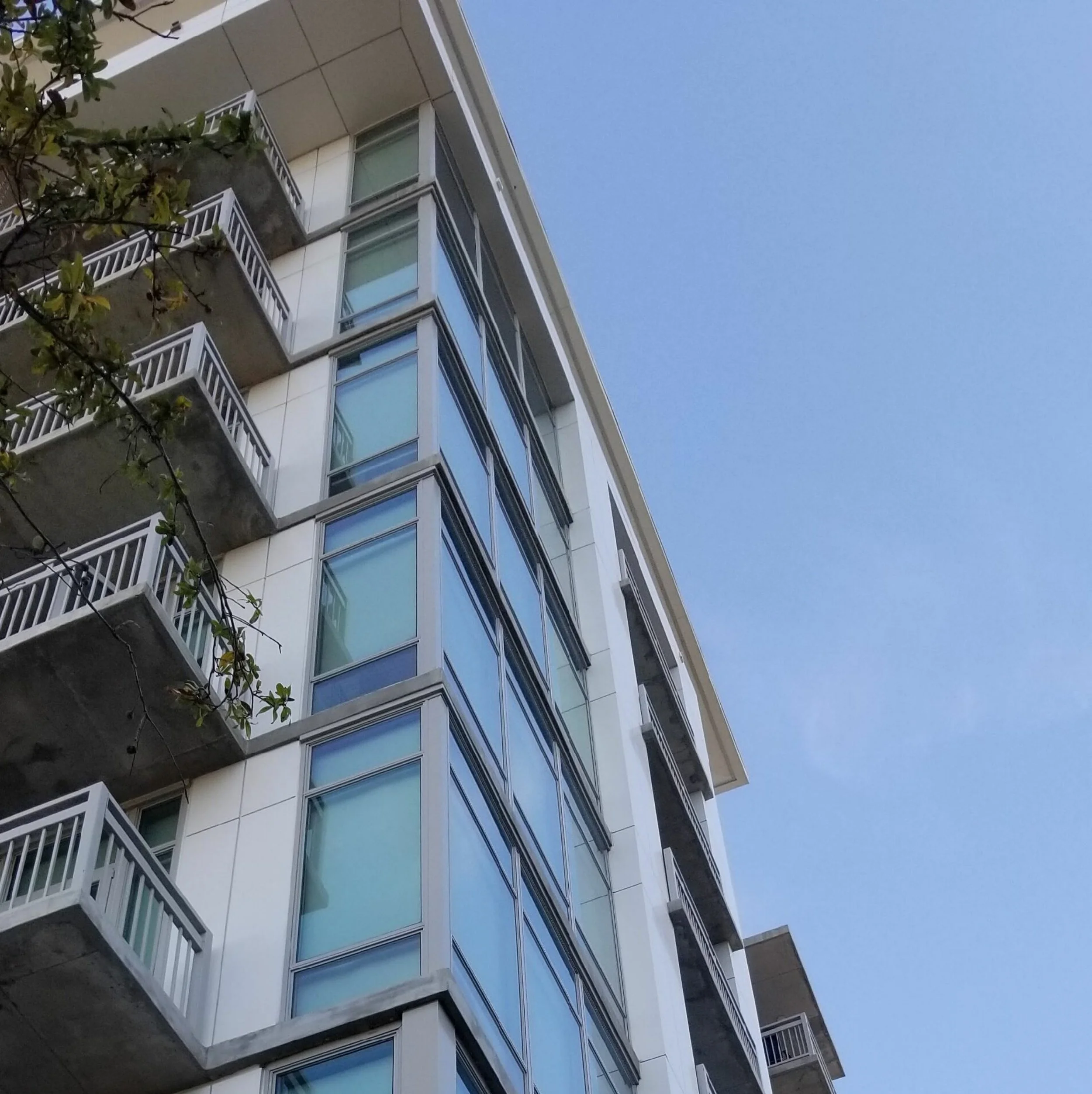
PROJECTED WINDOWS
Casement | Projected | Awning | Tilt-Turn Commercial Windows
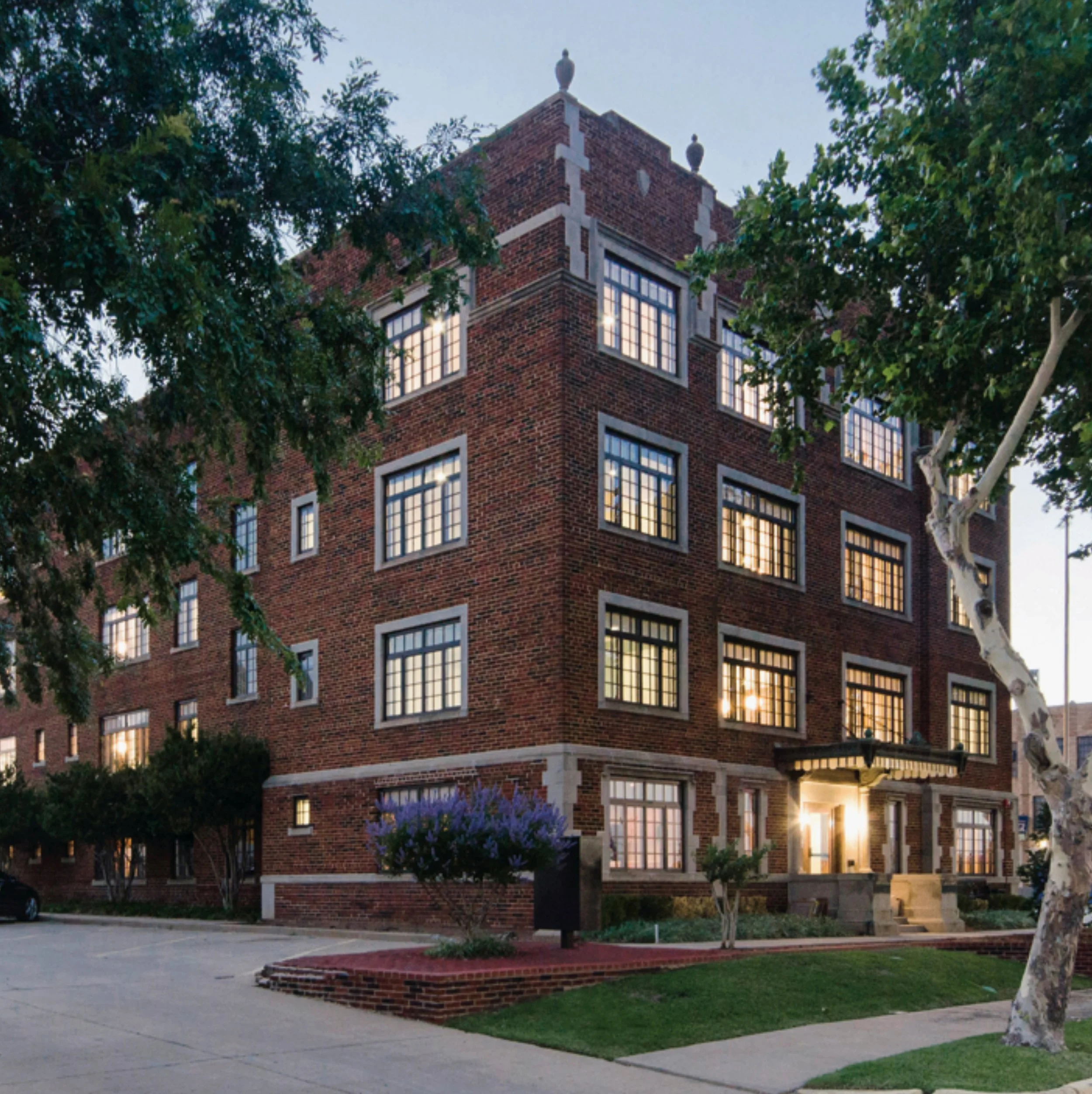
HISTORIC & RENNOVATIONS
Thermal Windows can re-create historic buildings with custom products to meet design requirements

COMMERCIAL DOORS
Impact-Rated | Commercial Doors | Commercial Terrace Doors for Retrofit or New Construction

STC / OITC PRODUCTS
High Performance Sound Mitigation Windows, Doors and Terrace Doors for Retrofit or New Construction
PRODUCTS
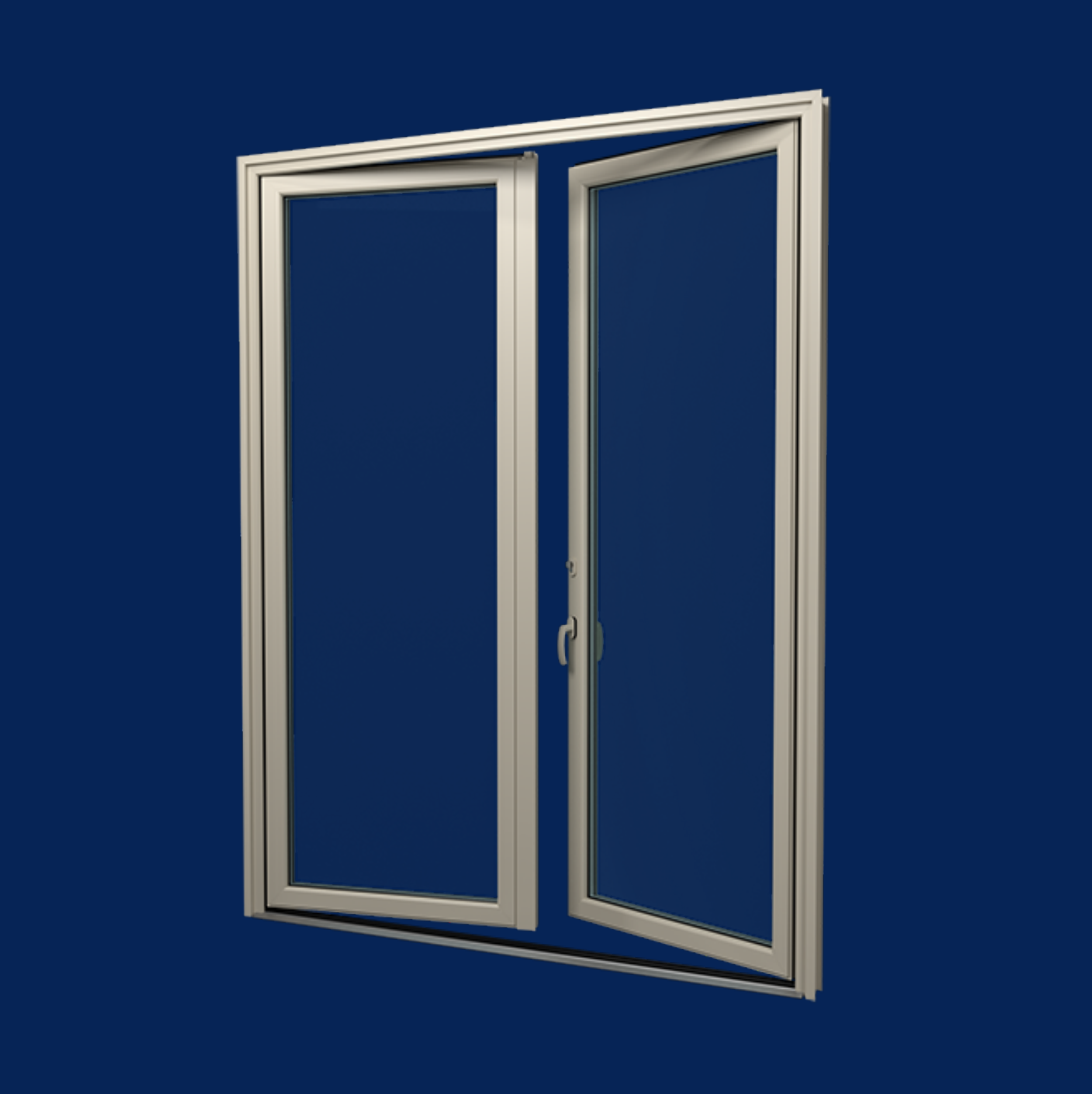
TERRACE
DOORS
SERIES 1400 | 1420
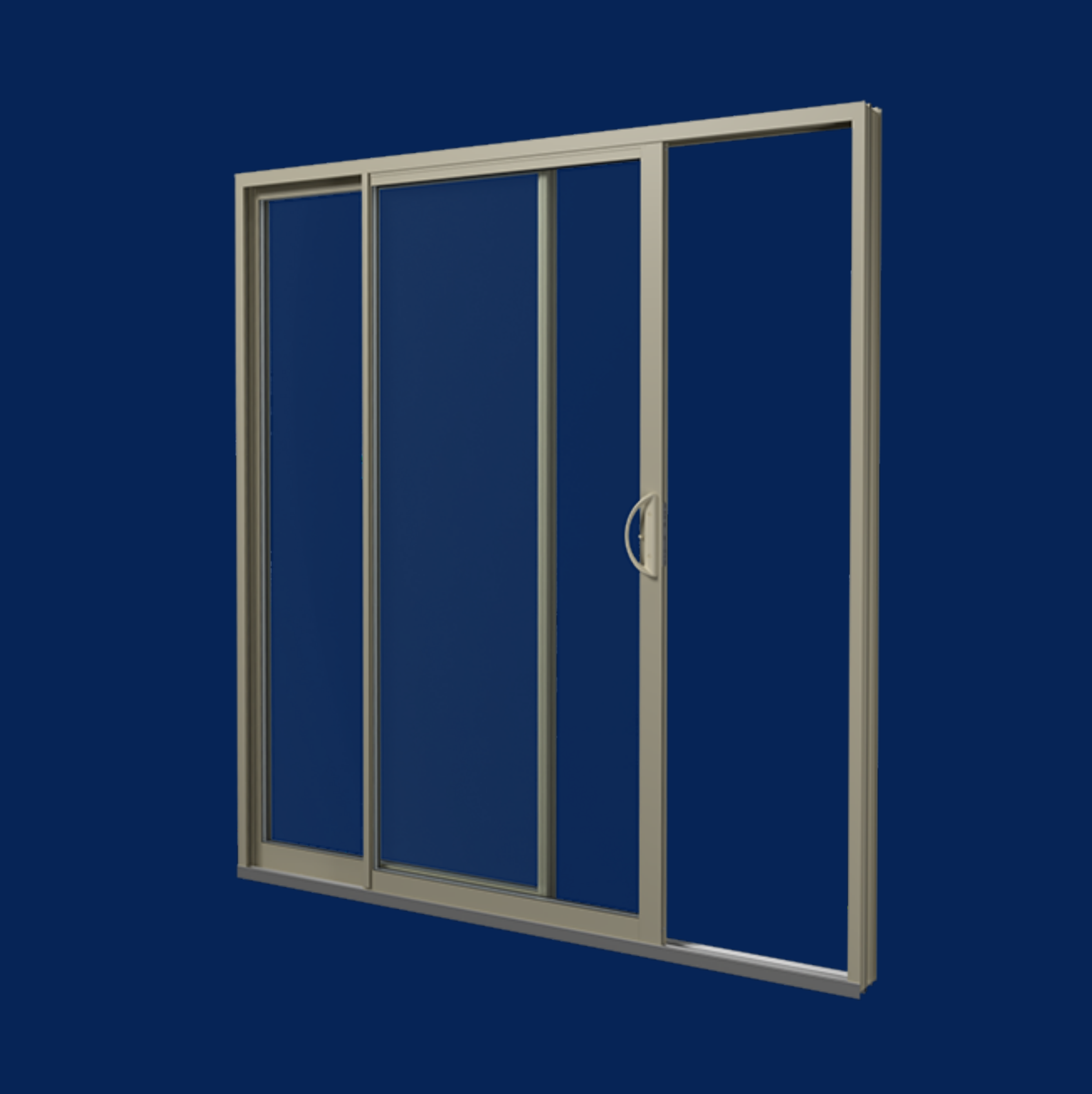
SLIDING GLASS DOOR
SERIES 9900
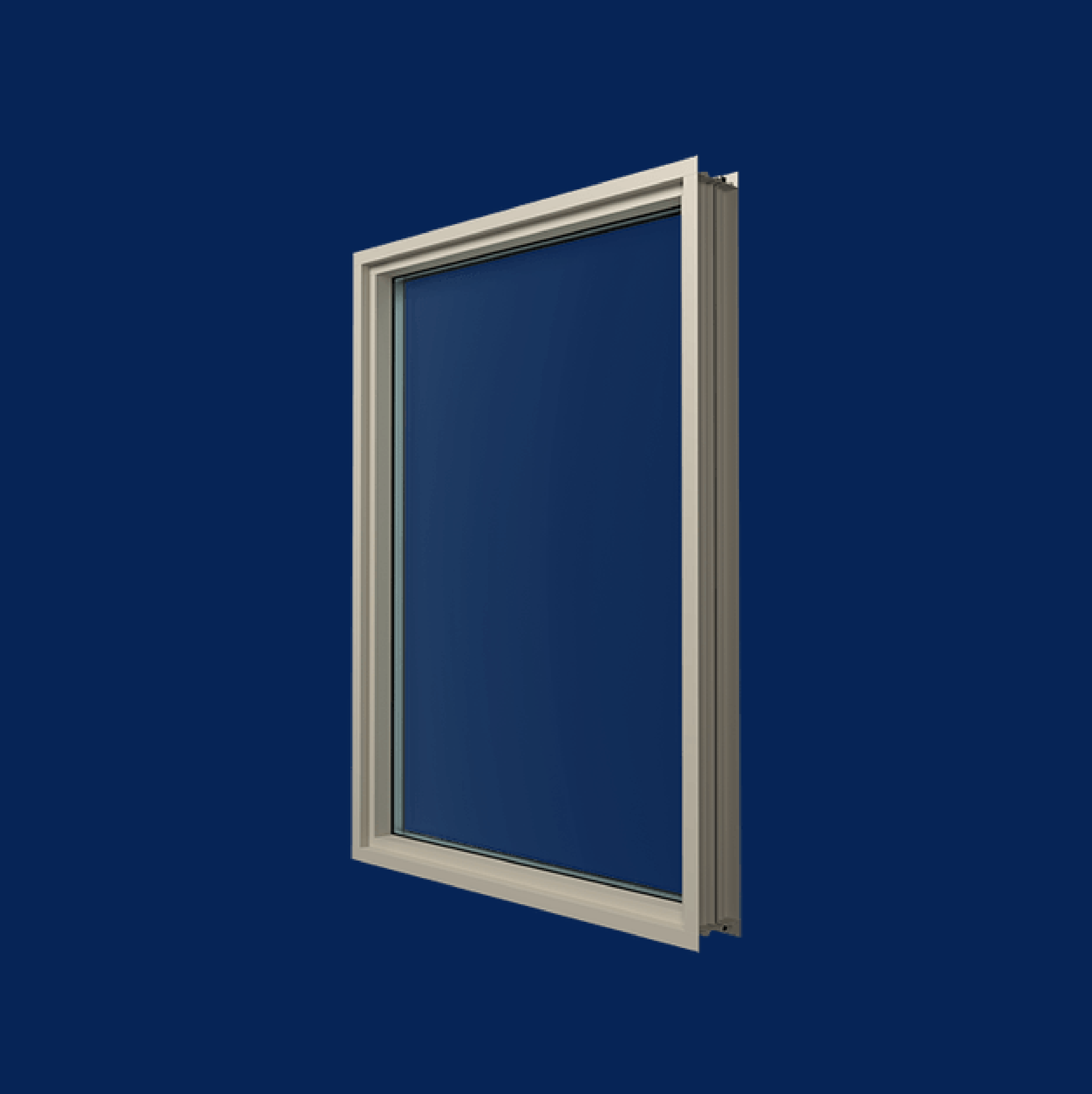
FIXED
WINDOWS
SERIES 550 | 750 | 850 | 4150 | 4151
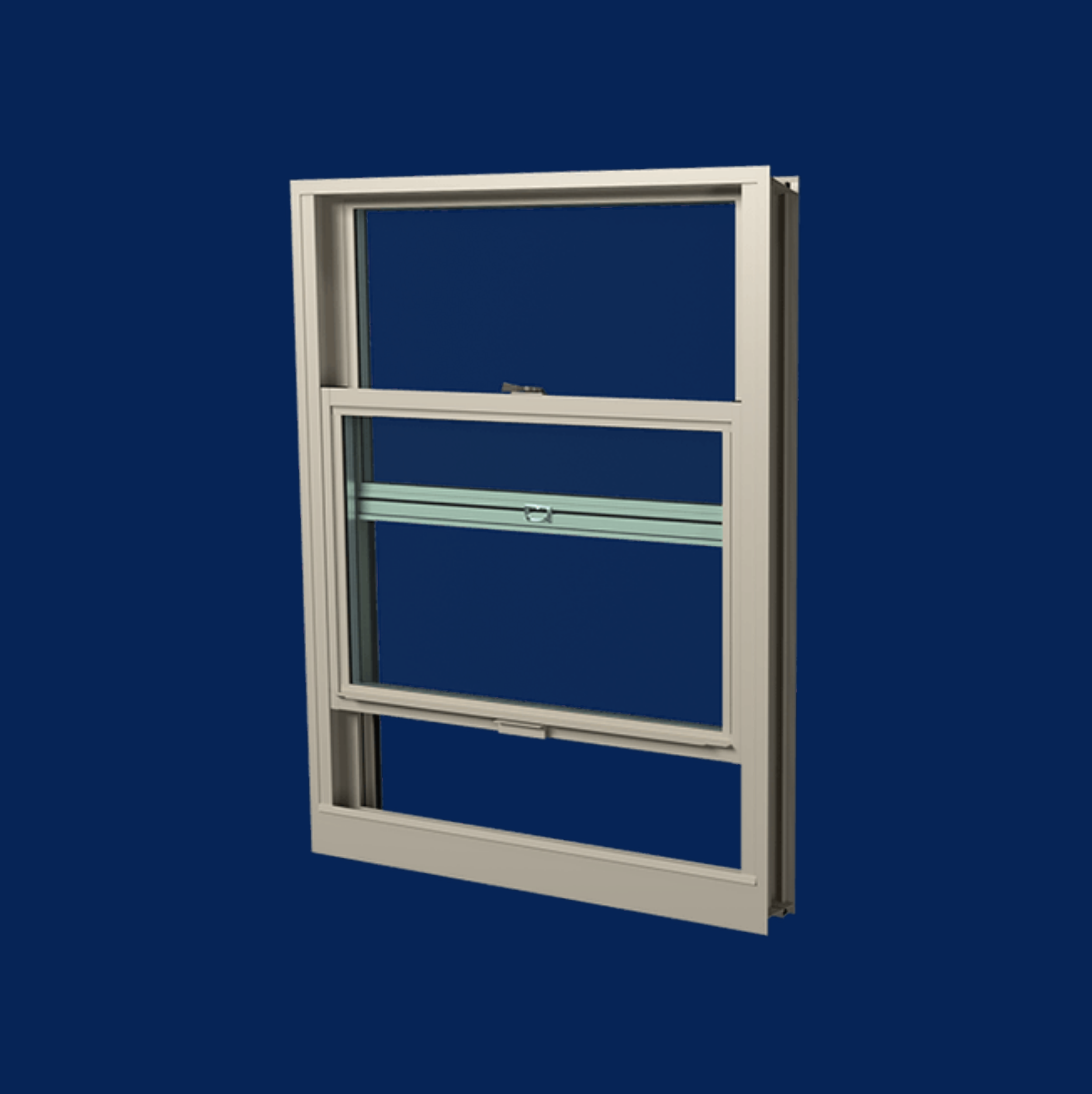
SINGLE HUNG
SERIES 500H | 515 | 4100
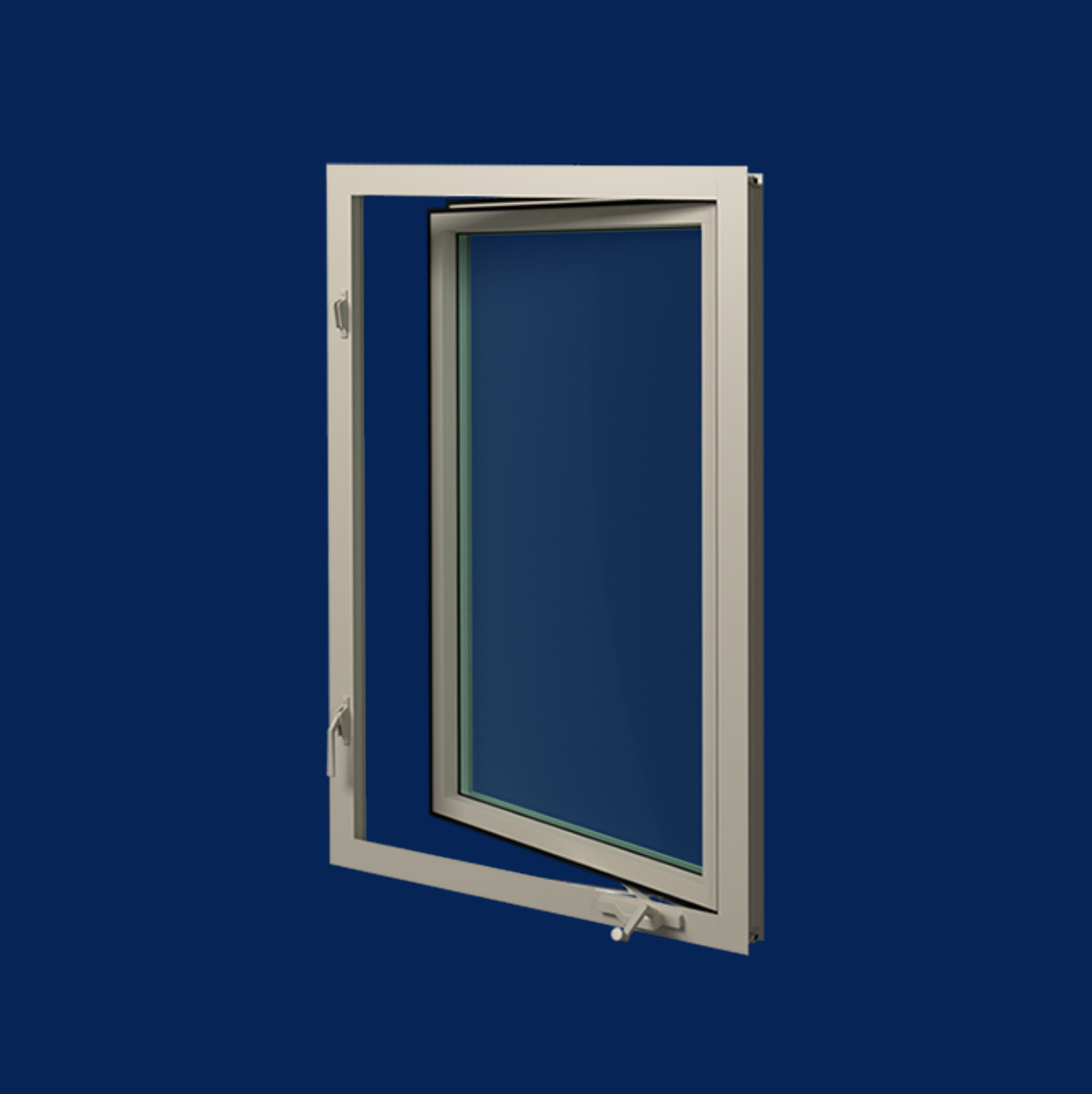
CASEMENT & PROJECTED
SERIES 800 | 835 | 900 | 910 | 1900
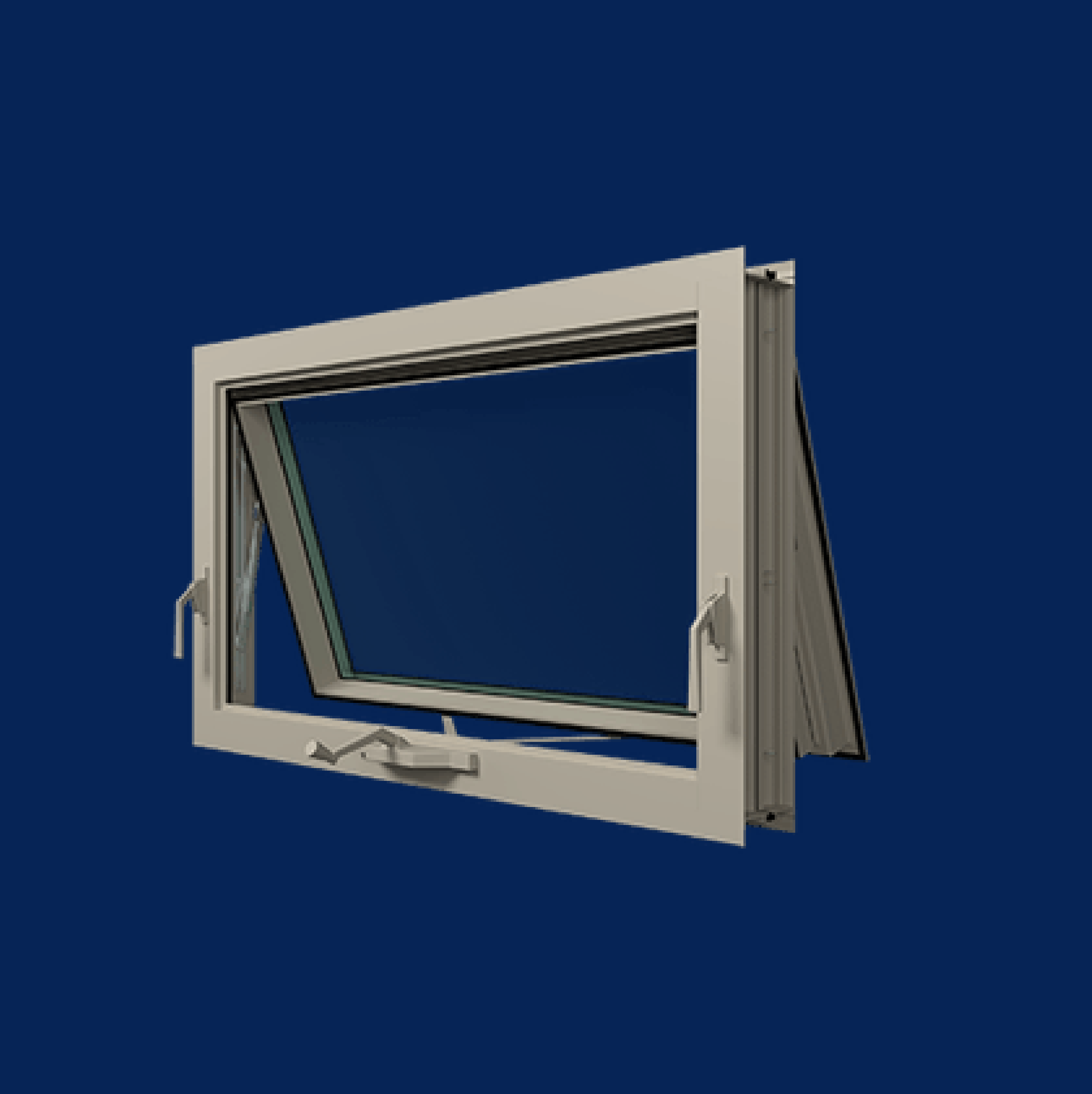
AWNING
SERIES
SERIES 825 | 825U | 925

HORIZONTAL SLIDING
SERIES 525 | 526 | 725 | 4125
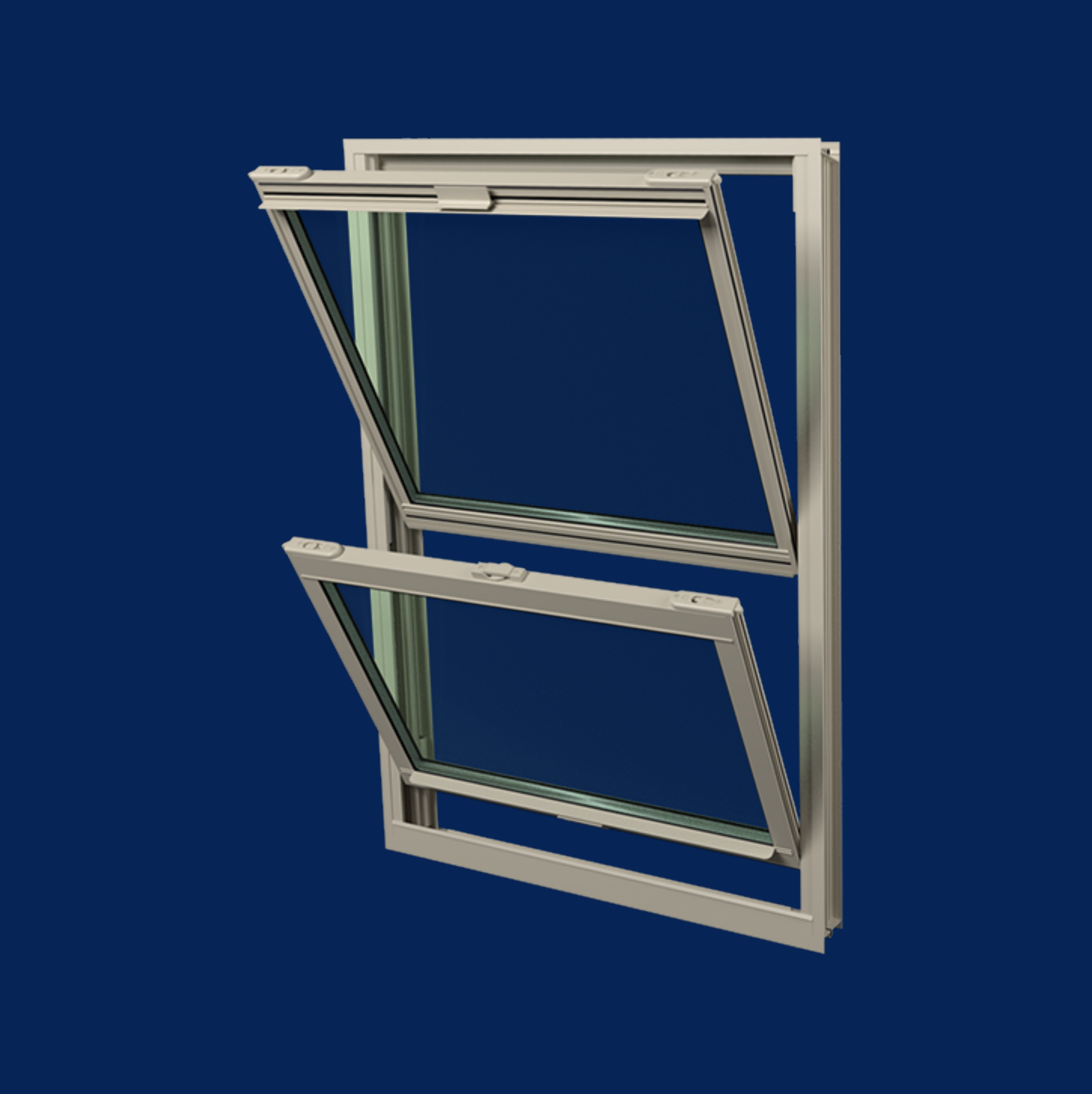
DOUBLE-HUNG WINDOWS
SERIES 700 | 710 | 715
design & education (faq’s)
-
Thermal Barriers is commonly referred as a residential term, thermal break is most commonly referred in commercial building.
A thermal break is defined as a material with low thermal conductivity placed in an extrusion with the purpose of reducing the flow of thermal energy (heat).
Thermal performance of a window is affected by the interior environment of the building, external weather conditions, and the way the window is installed. Glass choices and glazing options have a significant impact on the thermal performance as well. In addition, window frame modifications can be made. These “thermally improved” frames incorporate one of more thermal breaks, also known as thermal barriers.
-
In addition to having double or triple insulated glass, along with other performance options such as Thermal Low-E, E+, tinting, or argon gas, a Thermal Barrier window offers another important benefit. The window frame and sash frames are insulated against head and cold conduction. This is done by separating the outside metal parts from the inside with polyurethane, greatly reducing the amount of heat or cold transferred through the frames.
-
has been used in the window industry for decades. During manufacturing, a polymer much like epoxy is poured into a pocket in the metal extrusion. After the polymer solidifies, a specialized saw cuts through the pocket wall of the entire length of the extrusions to “debridge” the interior and exterior sections. This process is knows as pour and debridge.
More recently, a different type of thermal break has been used to enhance thermal performance beyond the capabilities of poured and debridged pockets, albeit at a higher cost. This process uses polyamide strips with very low conductance and relatively high structural strength. Using equipment, the strips are “stitched” into slots in the extrusions.
-
There is no such thing as a condensation-proof window. Even walls will “sweat” when humidity is too high. Windows do not cause condensation; they prevent moisture from escaping and provide a surface that allows condensation to be readily seen. If inside glass and frame surfaces on a Thermal Barrier window show excessive moisture, you can be sure that moisture is also present in your walls and ceiling.
AIA/CEU PRESENTATIONS

Specifying the Right Windows for Your Project
1 LU|HSW
(in-person or virtual presentation)
This comprehensive course designed to aid the design professional in specifying the most appropriate type of windows for a given project. Topics include window origins and development, benefits and limitations of various frame types, energy and structural requirements, glass and finishing options, and a discussion about the most effective installation methods for waterproofing. This presentation aims to equip learners with the knowledge and skills to ensure that products meet the energy and structural requirements of a project’s design. It covers the selection of the most effective installation methods to ensure proper weatherproofing, as well as the evaluation of the benefits and limitations of different window frame types. Additionally, the module emphasizes the importance of assessing additional options to further enhance overall building performance.
Commercial Windows and Doors (Manufacturing Facilities Tour)
1 LU|HSW
(location: Tulsa, OK)
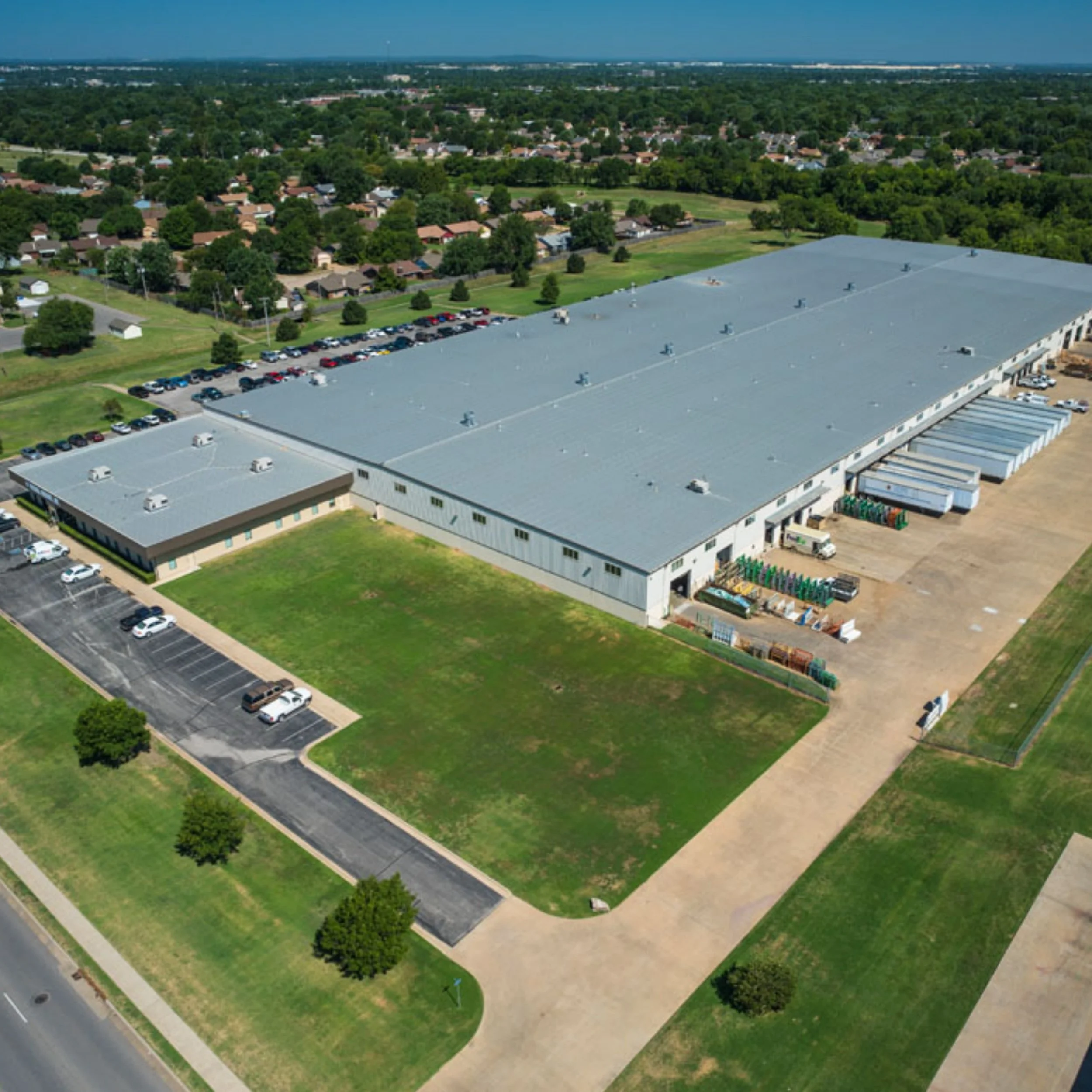
Thermal Windows, Inc. in Tulsa, Oklahoma offers an in-depth tour of its 230,000 sq.ft. manufacturing facilities where it produces nearly 70,000 windows and doors annually. In addition to observing standard manufacturing methods, highlights of the tour include the assembly of high performance insulated glass units, viewing of an AAMA-calibrated test chamber used for product certifications, an in-house environmentally friendly powder coat paint line and the latest innovations in window main frame installation. This Manufacturing Facilities Tour is to provide a comprehensive understanding of key materials and methods in the window and door industry. It covers the identification and utilization of various types of glass to optimize energy efficiency, as well as the differences, advantages, and disadvantages of aluminum finishes, including powder coating, anodizing, and wet paint. The module also focuses on the impact of manufacturing methods on the quality of windows and doors, and emphasizes the importance of specifying the most suitable products in accordance with AAMA test methods for air, water, and structural requirements.