







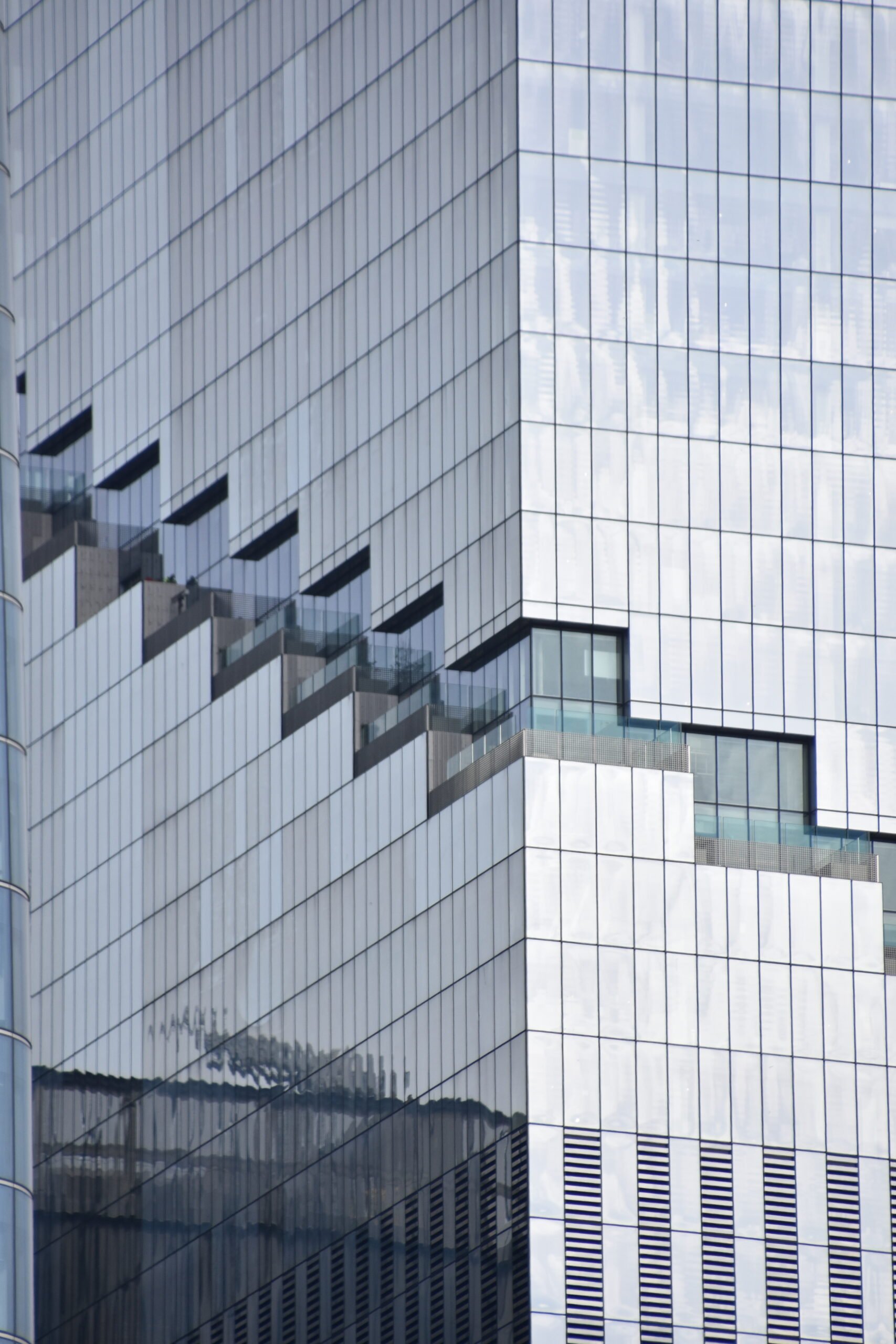

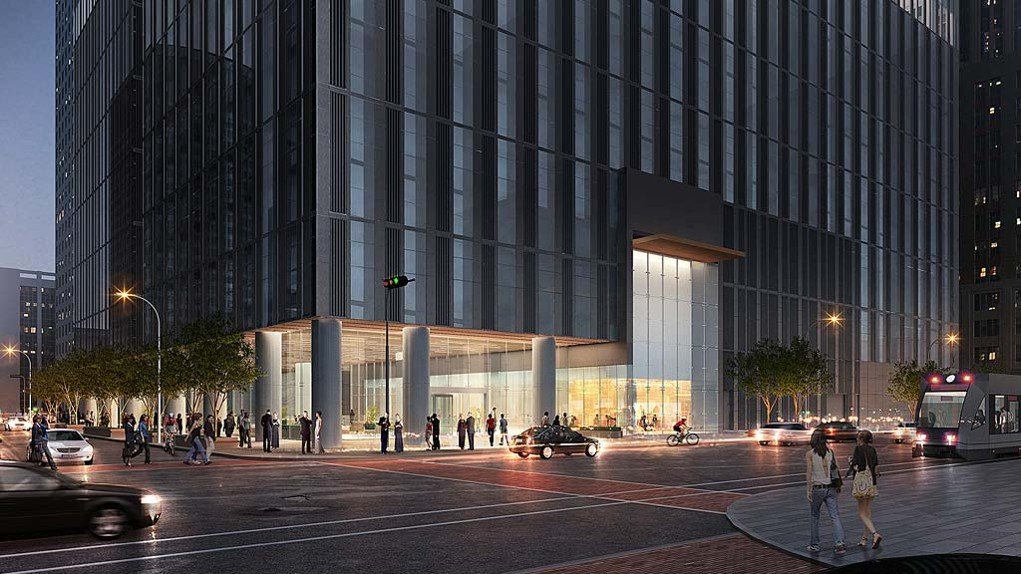
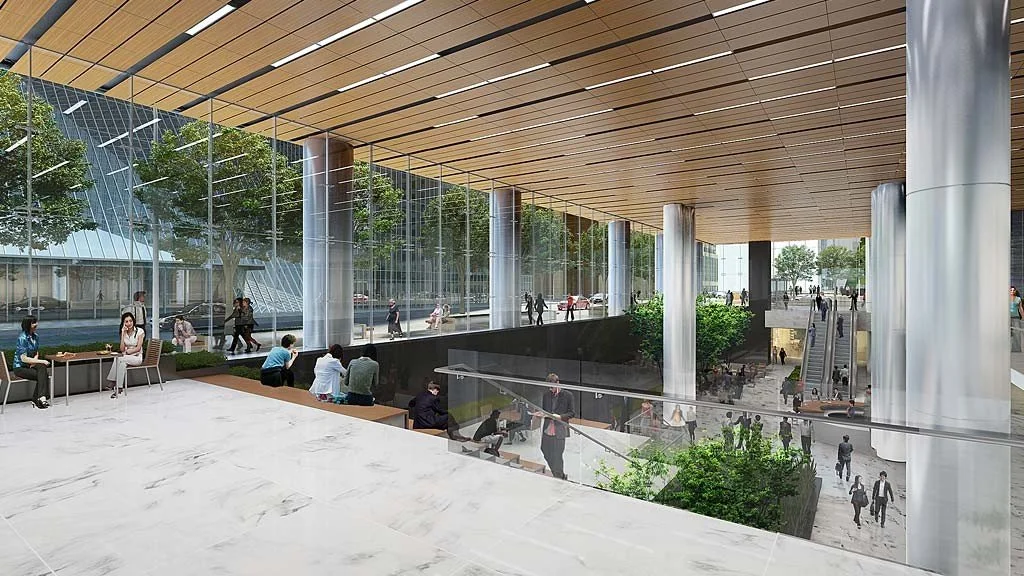
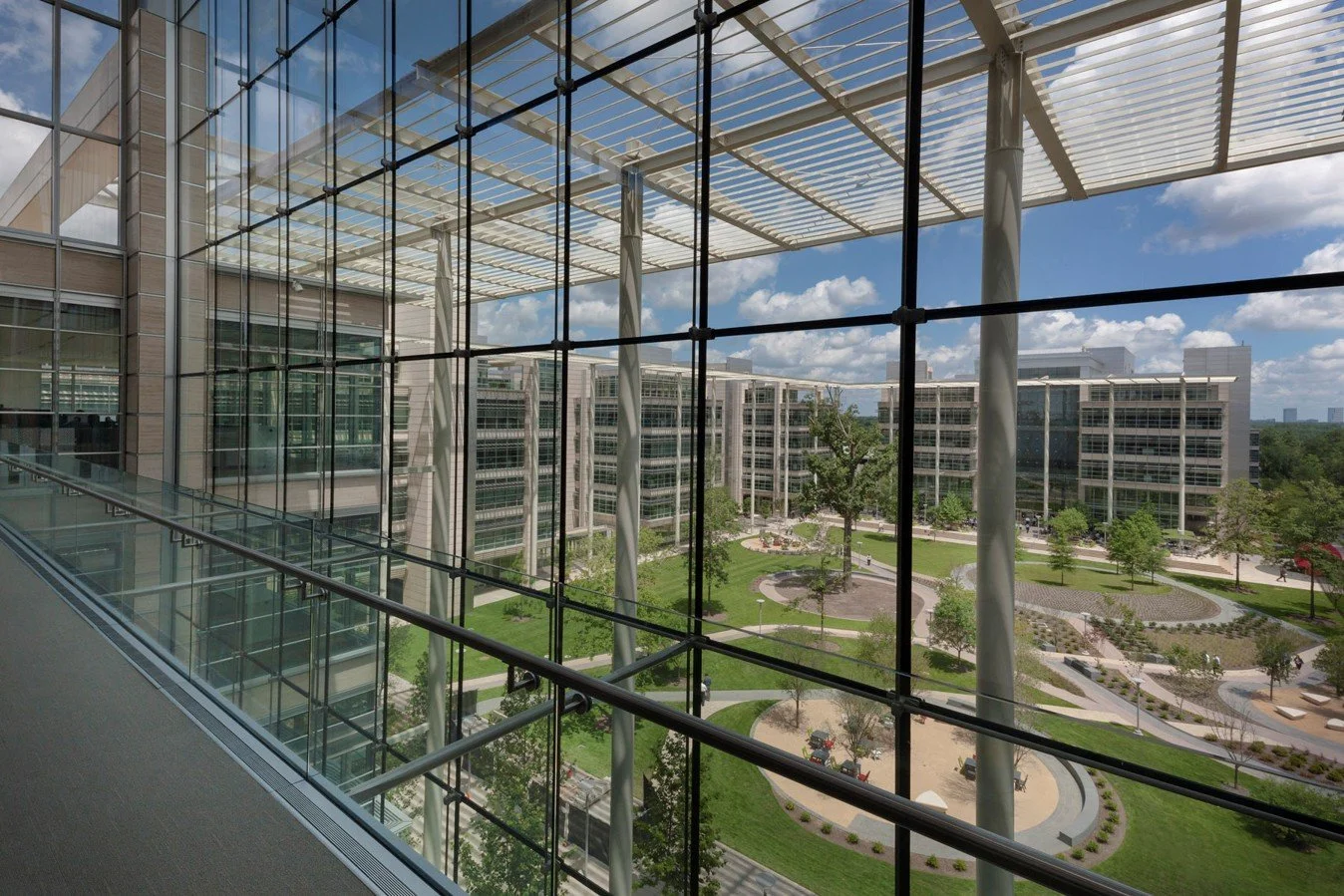

Founded in 1949, W&W Glass, LLC is one of the largest metal and glass companies in the New York metropolitan area and the largest supplier of structural glass systems in the country. With over 70 years of experience, we specialize in the design and installation of various building enclosure systems including, stick built curtain walls, pre-glazed unitized curtain walls, structural glass facades and custom metal and glass enclosure systems.
W&W Glass is headquarted in Nanuet, New York
INSIGHT SYSTEM
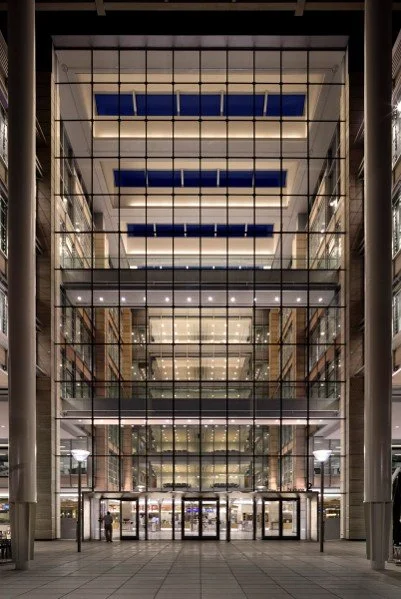
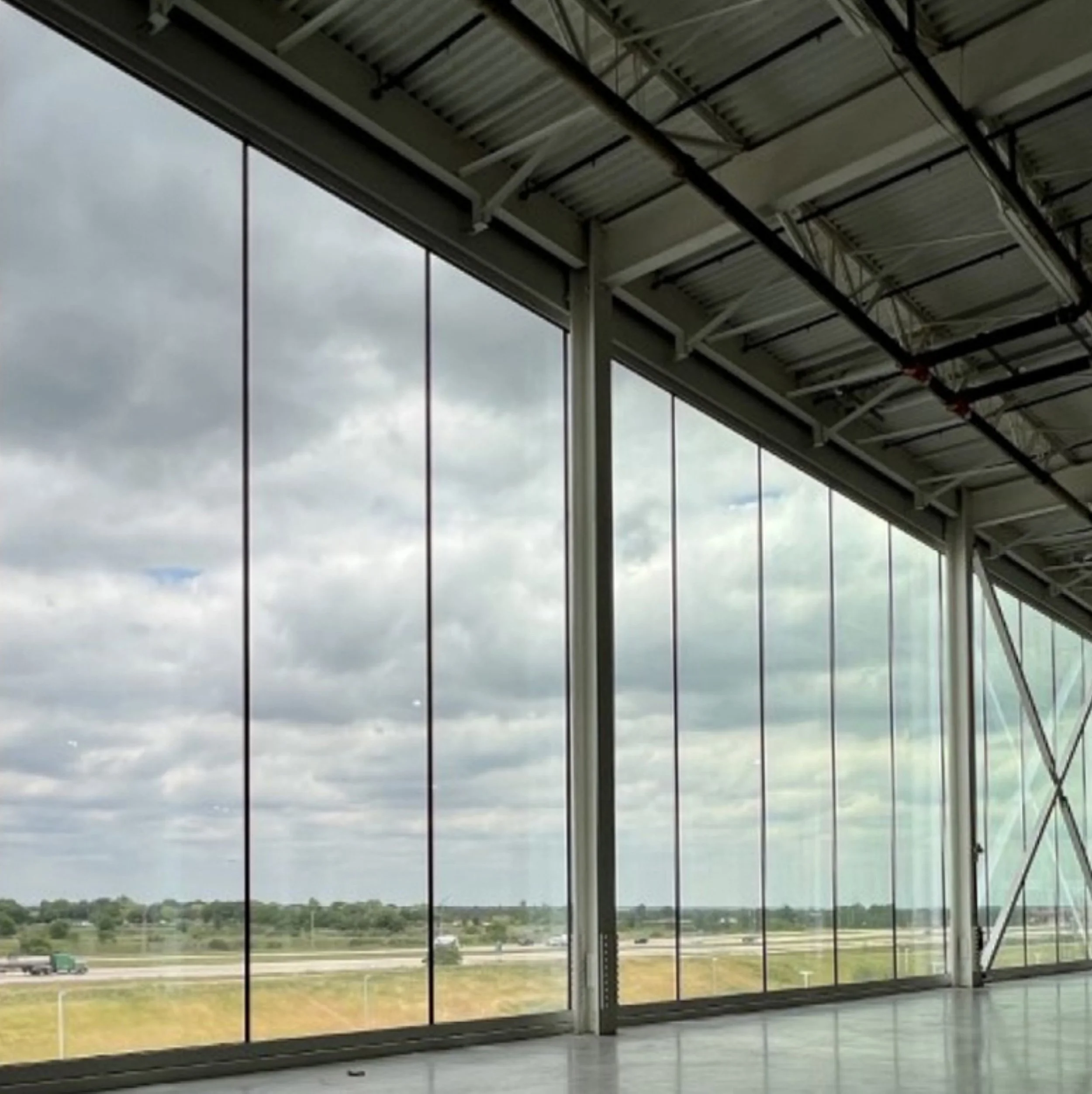
A revolutionary customizable engineered structural glass system providing a high degree of transparency for walls, skylights and canopies. It provides a greater understanding of proximity and place, while exposing an entirely new view into the world.
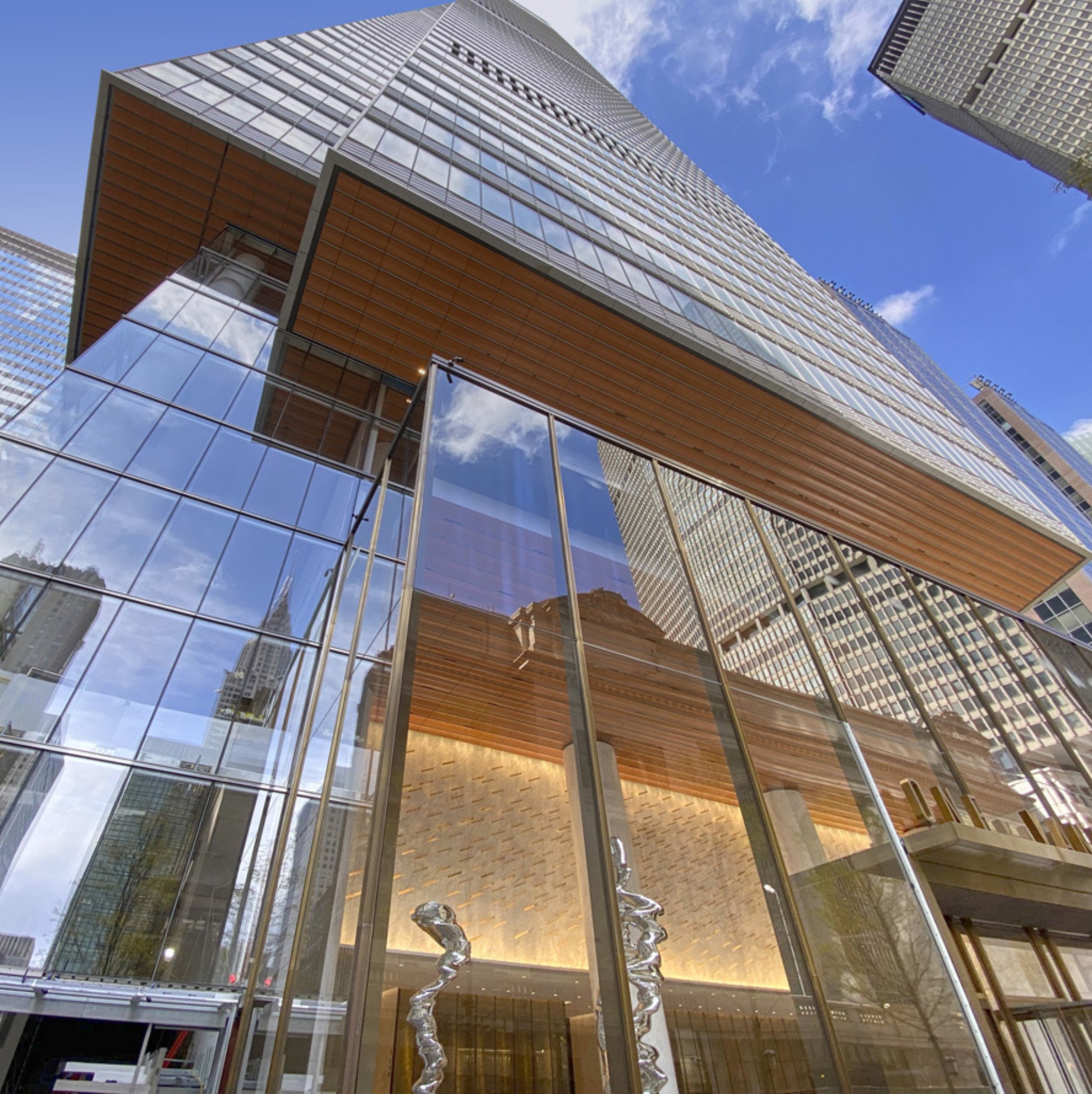
ALL GLASS ENCLOSURE
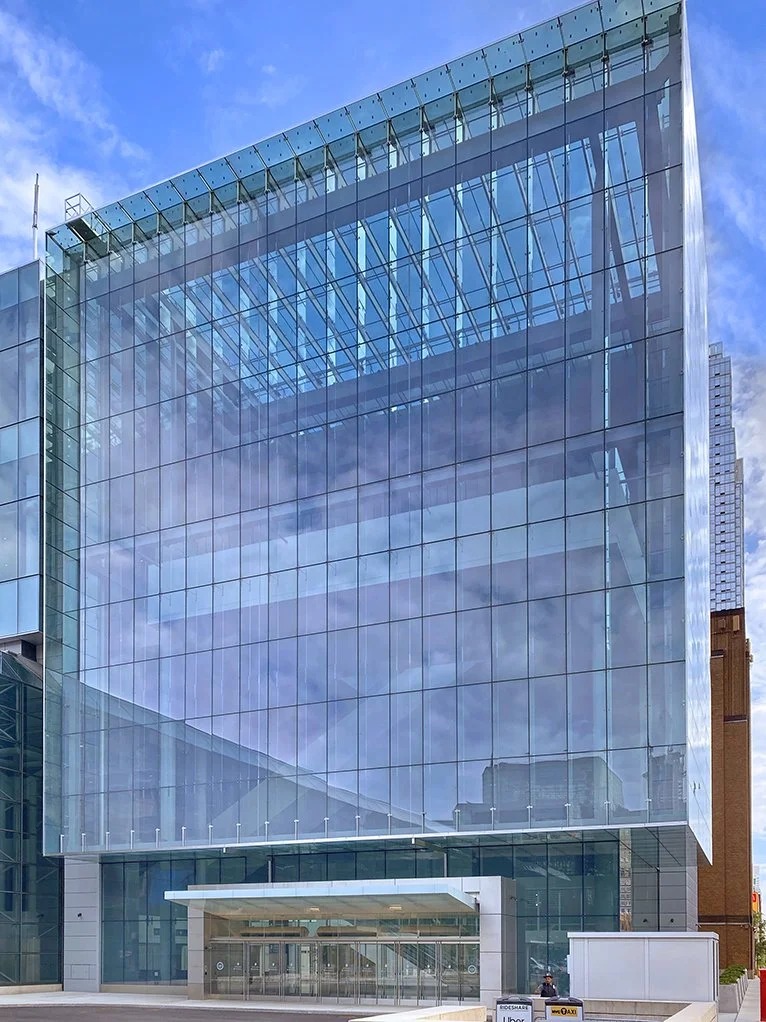
From steel-supported back-up structures to transparent glass fin mullions or filigree cable tension elements, W&W Glass offers various types of visible point-supported fittings or concealed support connections.
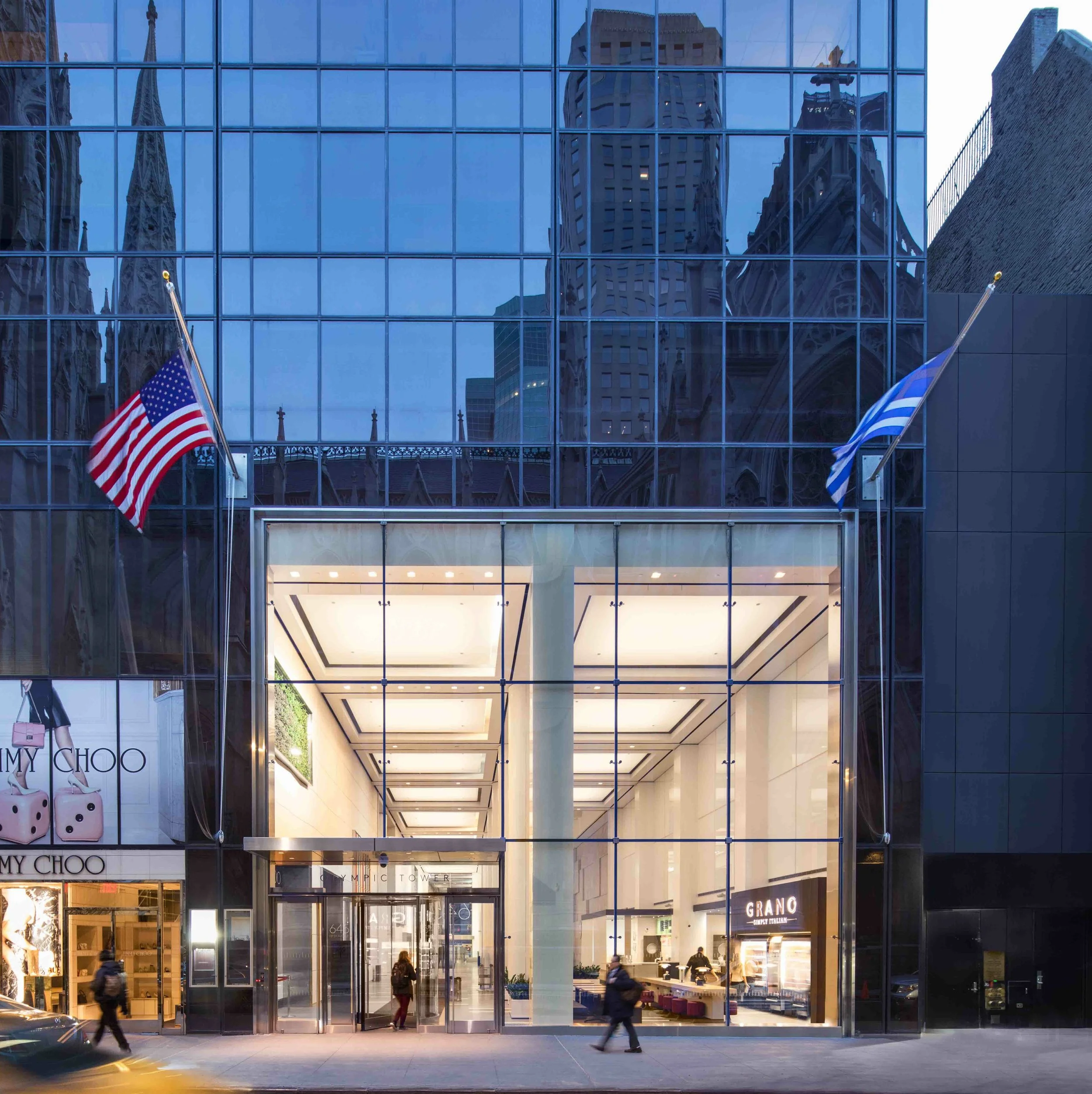
PERFORMANCE DRIVEN DESIGN
W&W Glass engineers calculations in-house based on the latest local/national codes with input from the architectural/structural team for specific project loading conditions
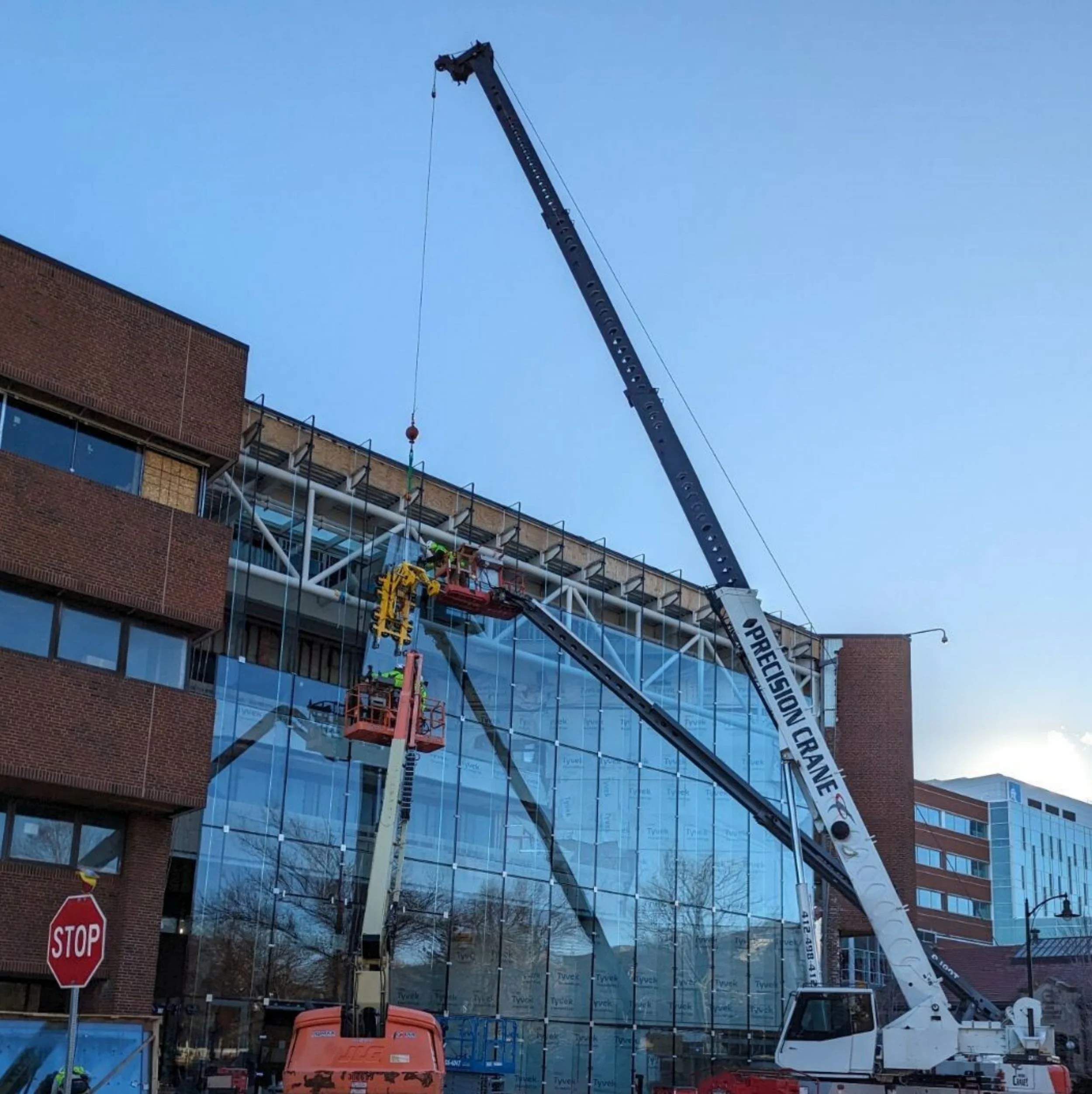
NEW CONSTRUCTION
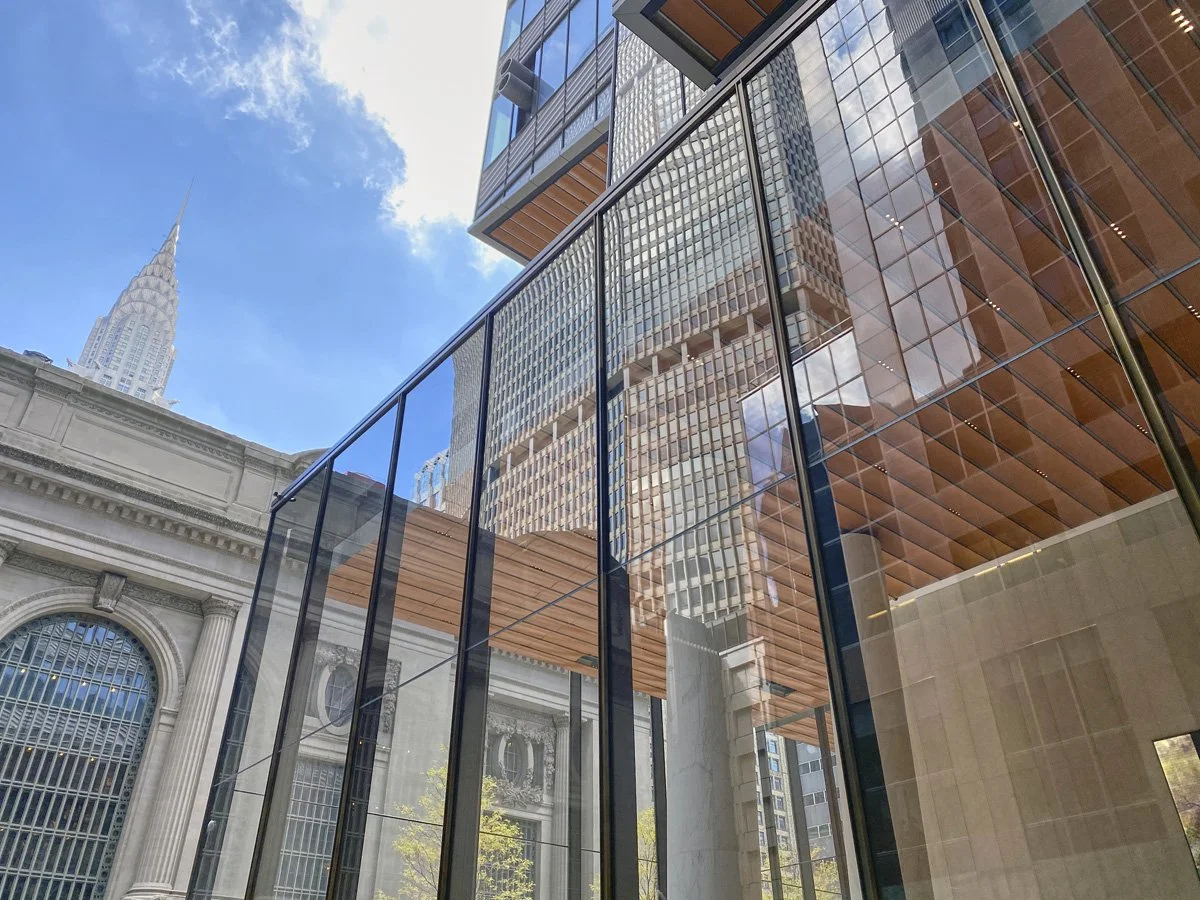
As a design-build and design-assist resource, W&W Glass offers custom glass solutions from best-in-class partners globally, for everything from atrium designs to building facades.
DESIGN & EDUCATION (FAQs)
-
Structural glazing systems, in their simplest form, are types of curtain wall systems consisting of glass that is bonded or anchored back to a structure without the use of continuously gasketed aluminum pressure plates or caps. The glass can be comprised of monolithic, laminated, dual-glazed or even triple-glazed insulating glass units (IGUs). The back-up structure may use horizontal and/or vertical aluminum mullions or be a glass mullion, steel blade, cable or stainless steel rod. The interior and exterior may use extruded silicone/EPDM gaskets, or a wet sealed silicone depending on the system. This system creates a completely clean, flush exterior appearance while the interior members have many different options depending on design and budget.
-
Point Supported Glass Systems
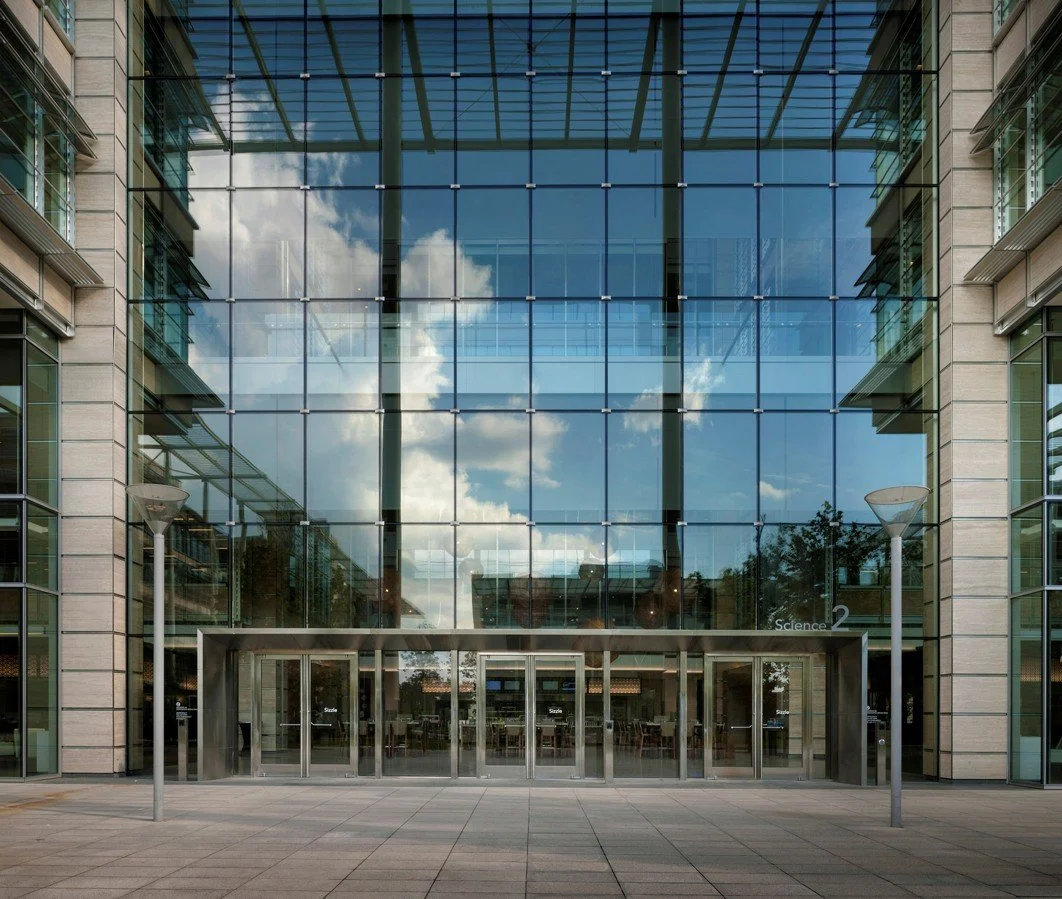
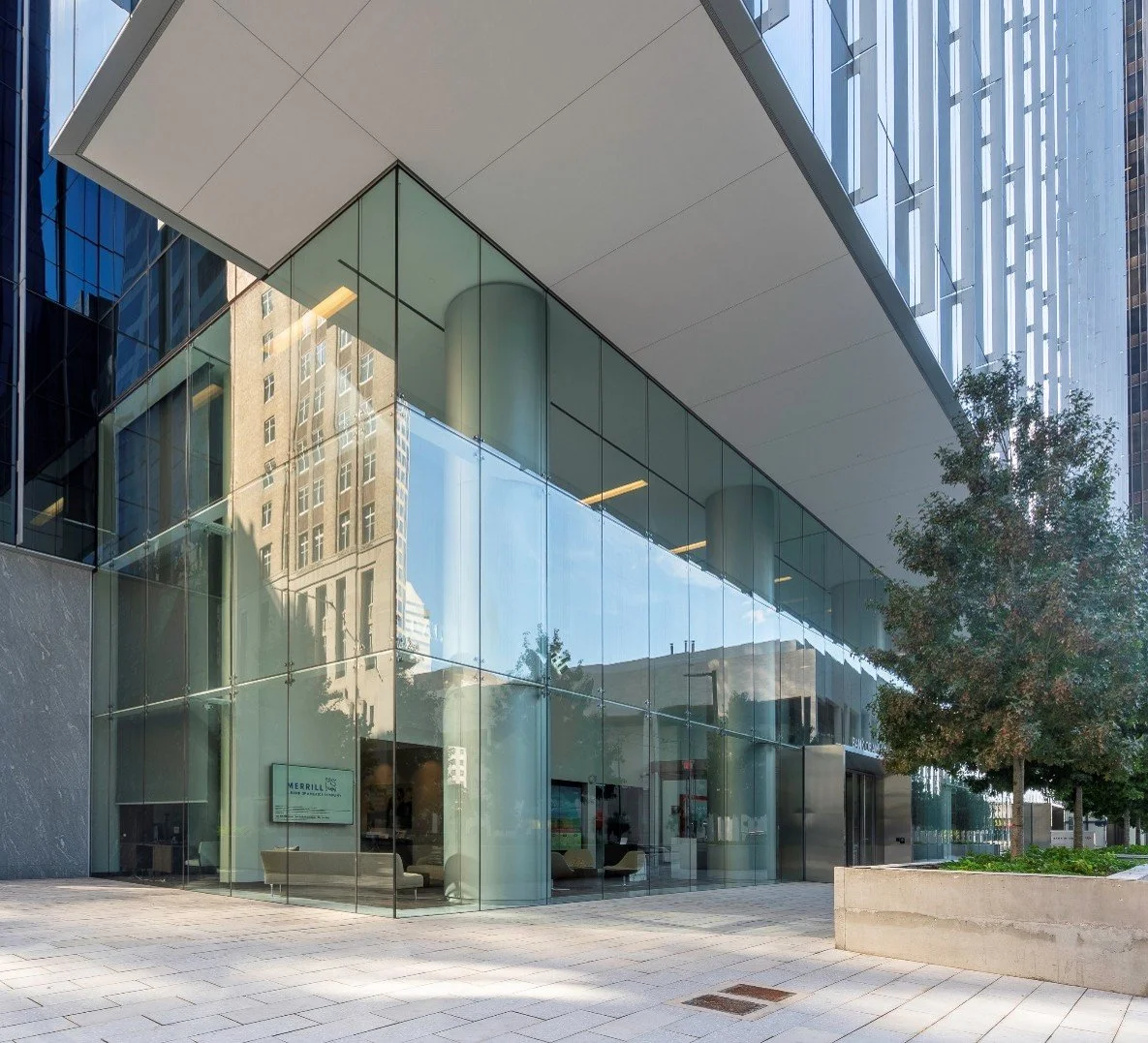
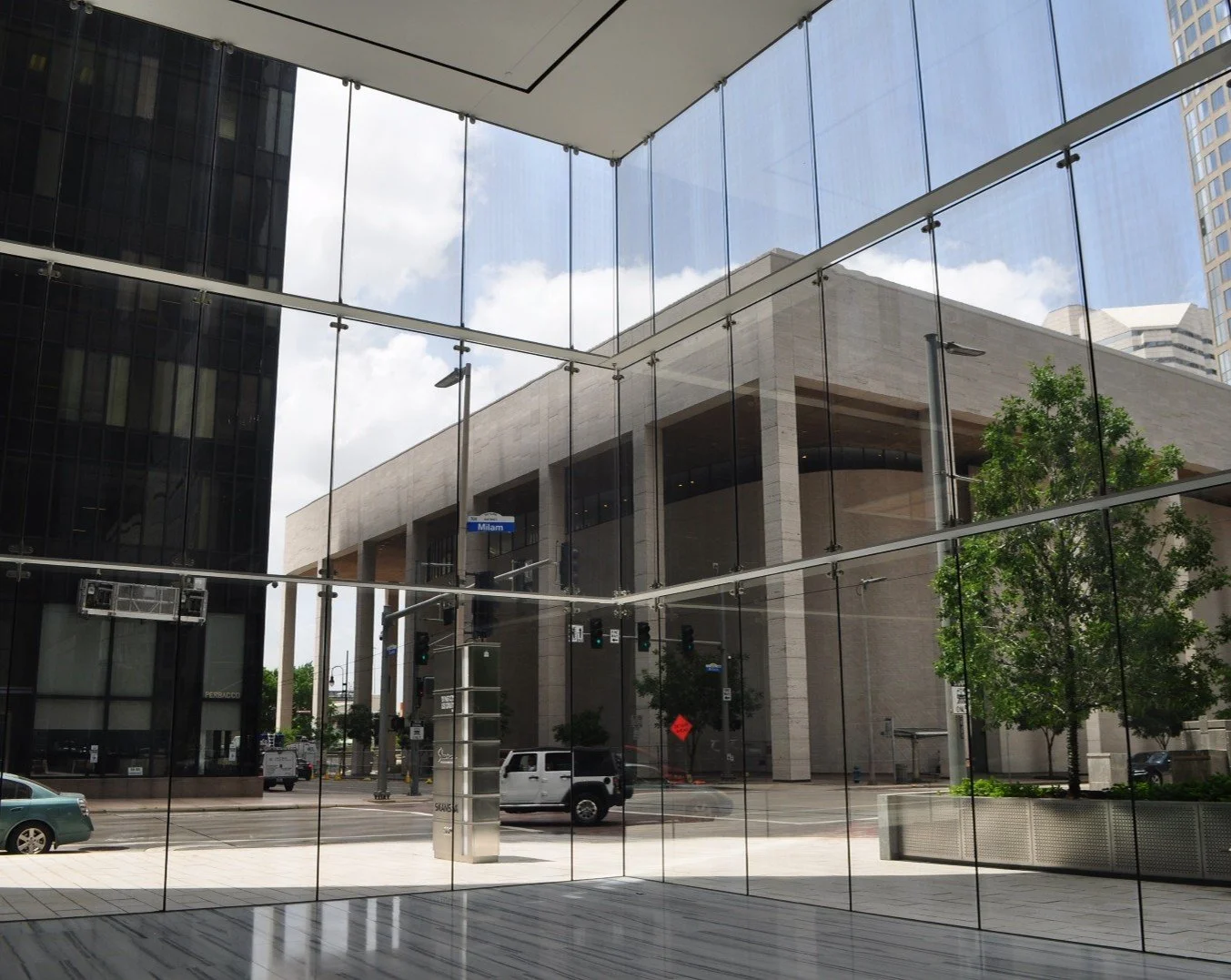
Point supported glass systems are the most transparent structurally glazed systems available on the market today. They can be custom engineered to fit any opening. From the exterior, they have silicone sealants between the joints like other structurally glazed systems, but have far less obstructed views looking from the inside out and vice versa due to the elimination of vertical and/or horizontal aluminum mullions.
Point supported glass has gone through some changes over the years, but the basics of these systems have remained the same. It consists of tempered glass (which should be fully heat soaked tested for a minimum cycle of twelve hours held at 290 degrees Celsius to help limit the chances of nickel-sulphide spontaneous breakage when in service) with holes for attachment to the structure by using bolted fittings. The face glass is hung off of the back-up structure in most cases, which can be glass fins, steel members, or stainless steel cables. These fittings can be very small, usually ¾” countersunk flush bolt heads, allowing for ultimate transparency. The system that utilizes the smallest fittings in the industry is the Pilkington Planar™ System. These are professionally designed and highly engineered systems that offer many options to architects when detailing the glass and connections.
-
Vertical cable tension walls (sometimes also known as cable nets) are the thinnest point supported glass system structures that can make the tallest unsupported spans, but require the largest amount of load on the boundary structure and are usually the most expensive. There are also stainless steel tension structure systems that are deeper, but put less loads on the boundary structure; however, these systems have similar costs to that of vertical cable walls. There can even be hybrid combinations of horizontal steel and cables/tension rods as well.
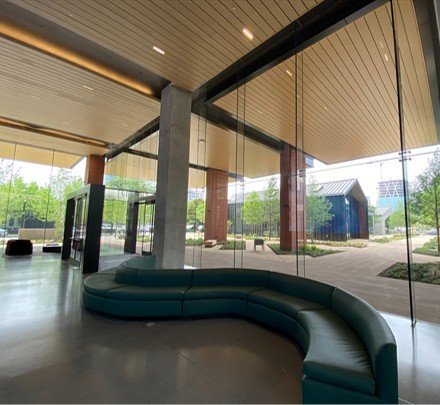
Glass fin walls and glass on steel systems (steel tubes, plate beams, or pipes) are usually the least expensive option and put far less loading on the boundary structure. They do, however, require greater depth of the vertical members to resist loads. The depths can range from around one to four feet on average depending on spans and module widths. These custom designed systems allow for a lot of artistic creativity and flexibility from the design aspect. They are a great fit for an all glass entrance, lobby, atrium, cafeteria, or any other feature area of a building.
-
These systems are different from average structurally-glazed aluminum curtain wall designs in many ways. One of the biggest differences is in the way the glass is supported. Aluminum curtain wall designs must be held together on all sides by a cap or from behind with structural silicone bonded back to mullions, whereas the point supported structural glass systems are anchored only at specific points. Silicone is only used for a weather seal between the joints of point supported glazing. Aside from enhanced clarity with the change in structure from aluminum box mullions, there are many technical reasons why these systems are so different.
-
Vertical glazing can use tempered monolithic, laminated, insulating glass units, or even tempered insulated laminated units. The glass can be tinted, low-e coated or even painted with colored silk-screened ceramic frit patterns.
Sloped glazing, on the other hand, would require tempered laminated glass or insulated laminated glass units with the laminated glass facing the occupant side for protection. The biggest difference between the two applications is gravity. Sloped or overhead glazing is subject to permanent gravity load from its self-weight and depending on the location, long-term gravity load from snow drift. This snow load can increase the thickness of the glazing dramatically!
W&W Glass transforms architecture with innovative glass engineering and installation, bringing unprecedented transparency, bigger spans, and higher energy performance.