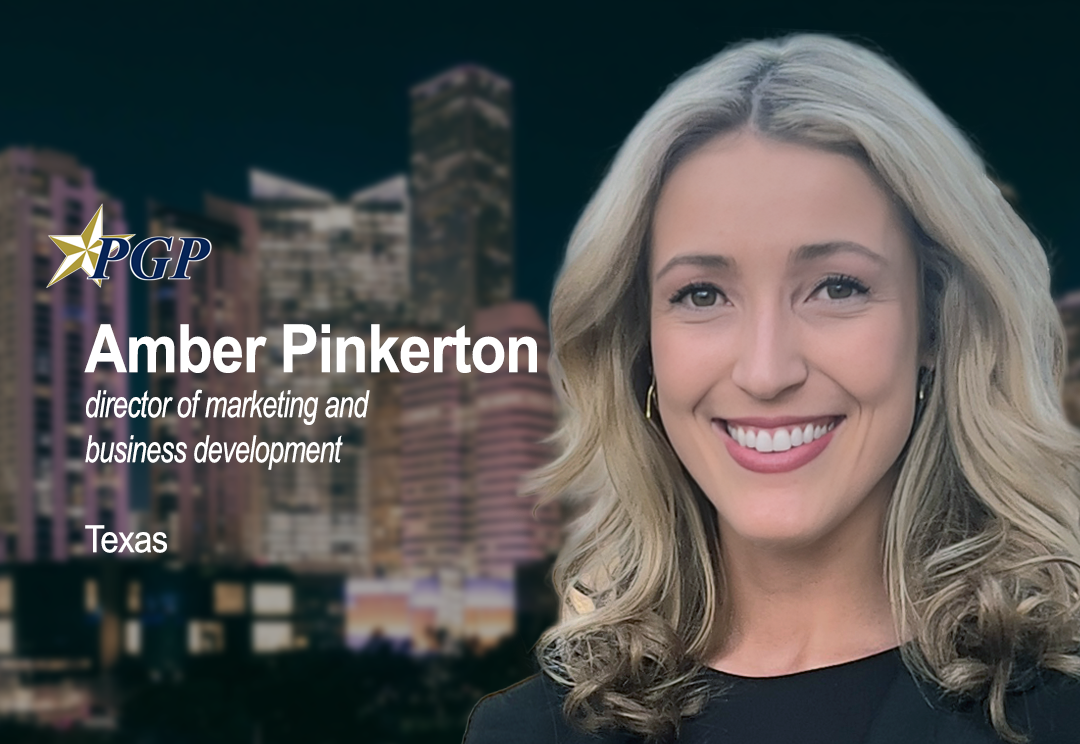
Based in Houston, PGP’s Director of Marketing and Business Development Amber Pinkerton shares her perspective on Texas architecture, continued evolution of advanced manufacturing and mission-critical facilities, and the growing role of sustainability in building design.
Amber Pinkerton:
How long have you been in the industry / with PGP?
I have worked in the industry for 10 years, including the past six and a half with PGP. As Director of Marketing and Business Development, I collaborate with our architectural, sales, and internal teams to develop strategies that support new opportunities. My responsibilities include marketing campaigns, social media and website content, special events, and identifying new project opportunities. I value the opportunity to collaborate across our teams and contribute to the strategies, relationships, and projects that support PGP’s continued growth.
When you first started in the industry, what surprised you the most?
When I first entered the industry, what surprised me most was how much building codes and regulations influence every aspect of a project. Texas is a diverse market, and project requirements can vary depending on the location, climate, building type, wind exposure, and local jurisdiction. It gave me an early appreciation for the level of technical knowledge and coordination required to turn a design concept into a high-performance building.
What city do you call home, and what makes its architecture distinctive?
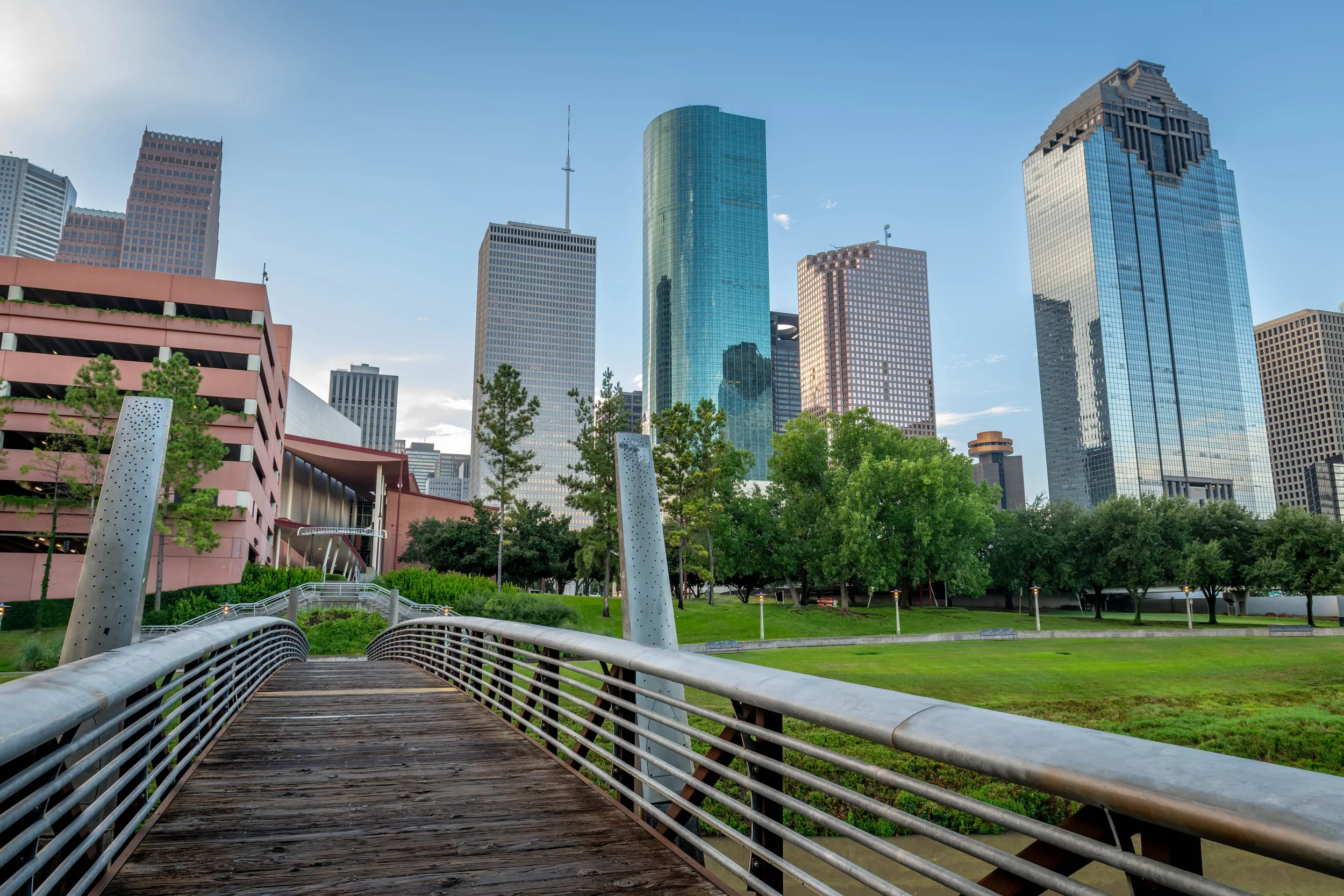
I now call Houston home, and what makes its architecture distinctive is the way the city has developed without traditional zoning. This has created a diverse, decentralized urban landscape where historic neighborhoods, commercial districts, industrial areas, and modern high-rises often exist near one another, giving Houston an architectural culture unlike any other major Texas city.
Which market sectors have evolved the most over the past decade, and what has driven that change?
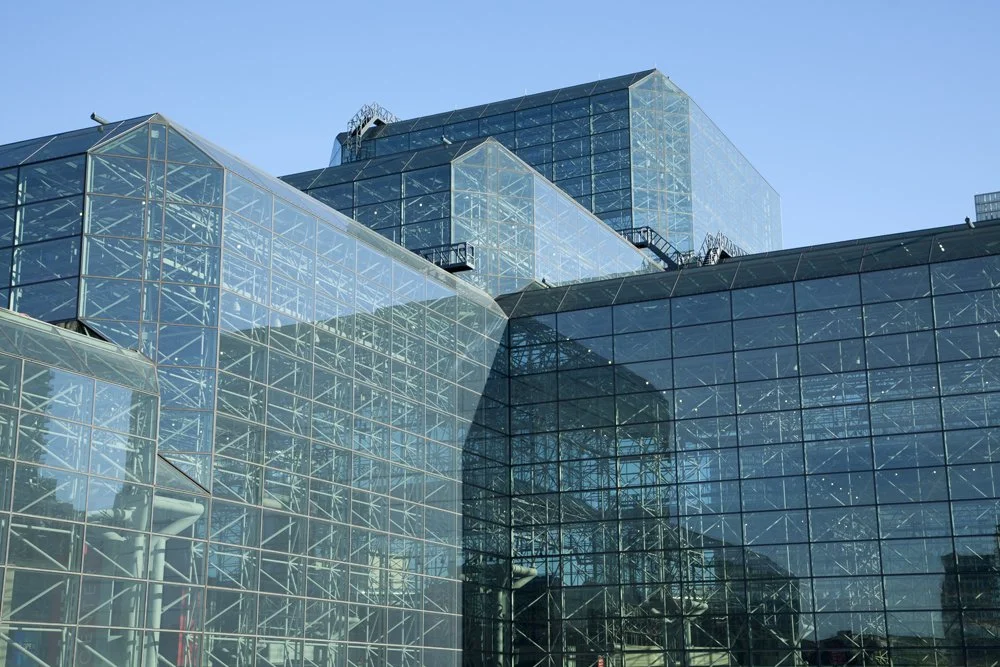
Advanced manufacturing and mission-critical facilities stand out as two of the sectors that have evolved most over the past decade. I’ve seen more expansive use of glass to bring natural light into employee spaces, thoughtful landscaping, and a stronger emphasis on how these large facilities fit into nearby neighborhoods. Buildings that once had a largely utilitarian appearance are receiving greater aesthetic design details.
What has changed most in the industry during your career?
Throughout my career, I have seen sustainability move from a design goal to an established industry standard. Buildings are now expected to use resources more efficiently, support occupant health, protect wildlife, and contribute positively to the communities around them. This has challenged us to better understand the materials and systems we recommend, as well as their long-term impact.
I have seen this evolution through the continued growth of LEED, greater consideration of bird-friendly glass (like Viracon’s SoarSafe) the adoption of WELL and BREEAM, and increased interest in regenerative and equitable design. Sustainability is no longer limited to how efficiently a building operates. It also considers how that building affects people, wildlife, and the environment throughout its life. I believe these higher expectations are a positive step, encouraging our industry to design more responsibly and take better care of the planet and one another.
What makes a manufacturer’s representative a valuable resource to architects, contractors, and project teams?
What makes a manufacturer’s representative valuable is the ability to provide support beyond recommending a product or providing samples. Architects are balancing design, performance requirements, building codes, budgets, schedules to meet their client’s expectations. A knowledgeable representative listens to the project team, asks the right questions, and connects them with best product with technical information. Local market knowledge is also important, especially in Texas, where requirements can vary by jurisdiction. Most importantly, project teams need someone who is responsive, follows through, and remains involved from project design to final completion.
What is the best piece of advice you’ve received during your career?
One of the best pieces of advice I’ve received in my career is to never stop learning. In this industry, experience is valuable, but it doesn’t replace the need to stay curious. Design trends shift, building codes evolve, and sustainability standards challenge us to think differently about materials and performance. Taking the time to research, ask questions, and understand those changes helps us make informed recommendations and be a stronger resource for the people we work with.
When you’re not working, how do you usually spend your free time?
When I’m not working, I enjoy being outdoors with my family. The best part of my weekend is spending time at a park with my husband and daughter. We love walking through Hermann Park, visiting the Butterfly Garden, seeing the animals at the Houston Zoo, or taking our dogs to Buffalo Bayou Park.
Favorite Mexican or BBQ or hidden gem spot?
Since moving to Houston, I have had some of the best authentic international cuisine. I love living in a “food city” and discovering new dishes from different cultures. My favorite Mexican restaurant was Superica until they closed their doors earlier this year. Right now my go-to for Mexican food is Goode Company. My husband and I go back for their filet fajitas at least once a month.
Most memorable project you've worked on?
My most memorable project would be one of my first projects at PGP, collaborating with HKS to help specify Viracon glass for a Disney project. Working on something so fun like Disney, and getting a behind-the-scenes look at the design process was an honor so early in my career with PGP.
I feel extremely blessed to have had opportunities contributing to iconic buildings across Texas, and around the world. One of the most rewarding parts of this industry is seeing an architect’s initial rendering and bringing their vision to life. Seeing completed building always brings an appreciation for the architect’s vision and creativity, as well as the subcontractor’s attention to detail during installation.
Interested in connecting with PGP? Contact Amber to learn more about our manufacturer partners, architectural resources, continuing education programs, and project support. She can connect your team with the appropriate PGP resources from project design to final completion.
Connect with Amber on LinkedIn or click the button below to start a conversation.